














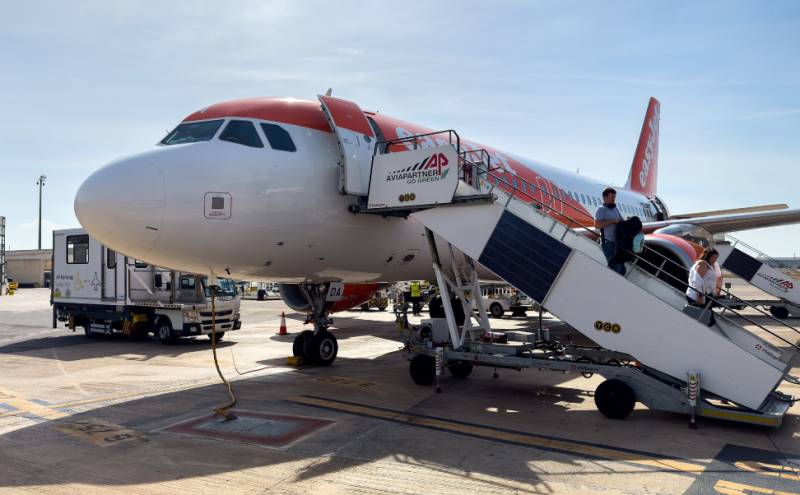




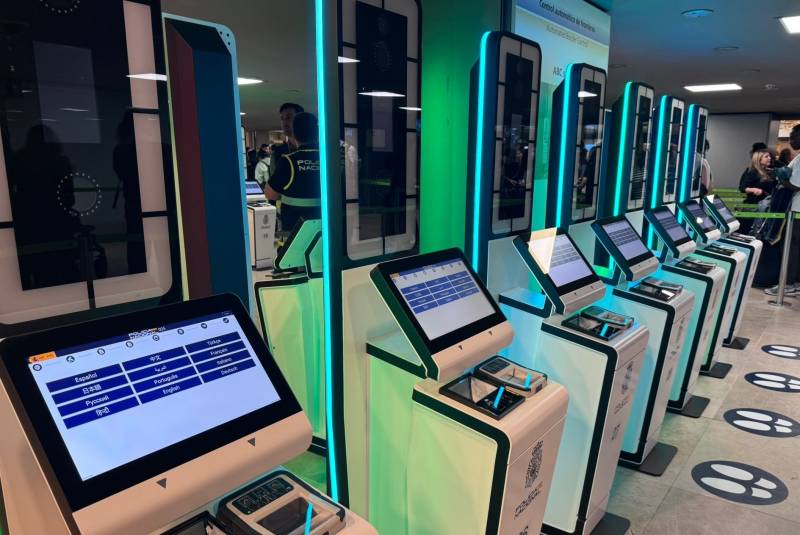
Spain is continuing to use the EU's new biometric border system, while several other European countries are still working through problems with the rollout. The Entry/Exit System (EES) has been fully operational at Europe's external Schengen borders since April 2026, but the European Commission has acknowledged that some countries still need to make operational adjustments at particular border crossings.
France, Germany, Italy, Portugal, Greece, Belgium, Malta, the Netherlands and Switzerland are among the countries that have reported difficulties. The issue isn't that EES has been abandoned across these countries, but that some individual airports and other border crossings have not been able to operate the system consistently.
For Spain, the system continues to be used for non-EU nationals making short visits to the Schengen area. That matters particularly to the large British community living in Spain, as well as people who spend part of the year here without being Spanish residents.
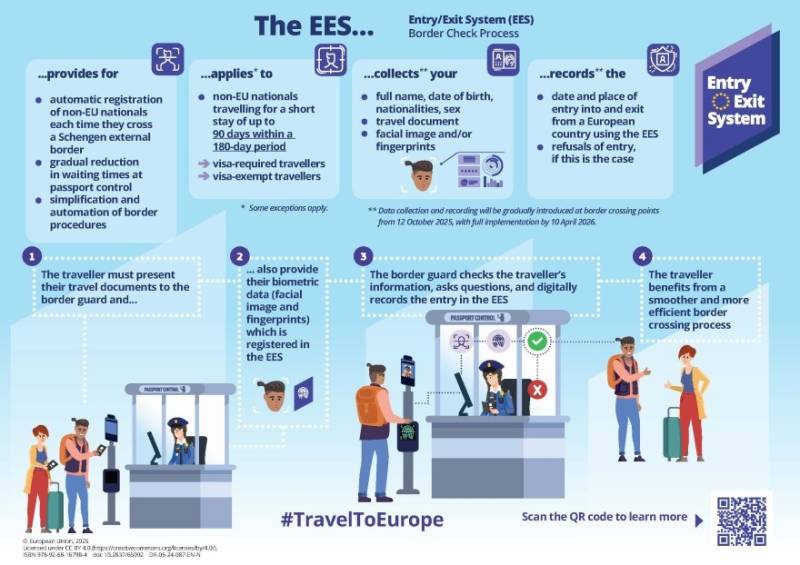
EES is designed to record the entry and exit of non-EU nationals visiting the Schengen area for up to 90 days in any 180-day period. It stores passport details along with a facial image and fingerprints.
However, people with a valid residence permit or qualifying long-stay visa are exempt from EES registration. They still go through normal border checks, but they should present their passport together with their residence document.
For British residents in Spain, this means carrying a valid TIE when travelling is particularly important. The residence card shows that the person is living in Spain rather than visiting as a short-stay tourist.
The position is different for someone who owns a property in Spain but doesn't have Spanish residence status. They remain subject to the 90-day rule and EES checks when crossing the external Schengen border.
The system counts time spent across the Schengen area as a whole, rather than giving travellers a separate 90-day allowance for each country.
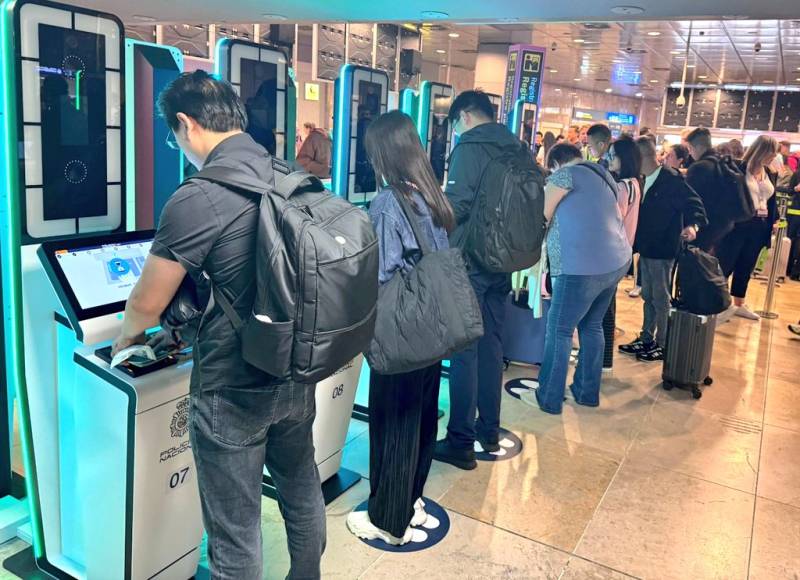 The first summer of EES brought some lengthy waits at European airports, with Spanish airports among those affected. Spanish public broadcaster RTVE reported that queues of up to two hours were seen at several airports during July and August.
Spain has also been preparing the system at its ports. The Port of Almería is due to bring EES fully into operation in the coming months, while the Port of Santander completed its new automated system in September, including self-service biometric booths.
The European Commission says the system itself contains fallback procedures for exceptional situations and has been working with countries where further operational adjustments are needed. It has asked them to address the remaining technical and organisational issues by the end of the year.
Airport authorities have also pointed out that the first EES registration can take longer than a traditional passport check, so allowing extra time at busy airports remains sensible. But once the biometric record has been created, subsequent crossings should normally involve checking the existing information rather than starting the registration process again.
The system is also separate from the 90-day rule itself. EES doesn't change how long a visitor can stay in Schengen. It just gives border authorities a digital record of when non-EU travellers enter and leave, making it easier to identify people who exceed the permitted stay.
Read also:The EU Is Capping Cash Payments At €10,000 From 2027, But Spain Already Has Stricter Rules In Place
Images:Ministerio del Interior
Sign up for the Spanish News Today Editors Roundup Weekly Bulletin and get an email with all the week’s news straight to your inbox
Special offer: Subscribe now for 25% off (36.95 euros for 48 Bulletins)
Read some of our recent bulletins:
Discount Special Offer subscription:
36.95€ for 48 Editor’s Weekly News Roundup bulletins!
Please CLICK THE BUTTON to subscribe.
(List price 3 months 12 Bulletins)