To be listed on the CAMPOSOL TODAY MAP please call +34 968 018 268.
article_detail
Date Published: 21/09/2026
Beekeepers battle growing oriental hornet threat in Campo de Cartagena
Sightings are rising across Cartagena as the predatory wasp threatens local hives and crops
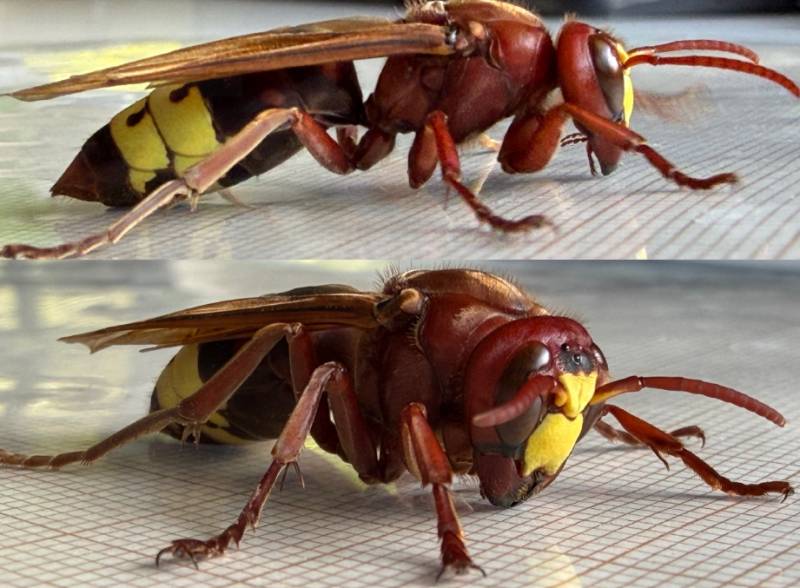
Beekeepers in the Campo de Cartagena are raising the alarm over a growing population of oriental hornets and they’re asking the authorities to step in before the insect causes any more damage.
The hornet has become an increasingly common sight across the municipality this year, with sightings reported not just in rural areas but in urban parts of Cartagena and near water sources too. Escombreras and other nearby spots have also seen a noticeable rise in numbers.
What worries beekeepers most is the hornet's appetite. Mr Zafra, head of the Region of Murcia's beekeepers' association, explained that it is a "superpredator", since it does not stop at bees. Butterflies, flies and other wasps all end up on the menu, which means the impact stretches well beyond hives and into the wider ecosystem and local agriculture.
The danger is greatest in summer, when hornet colonies reach their peak size and start putting real pressure on nearby hives. Bees under constant attack become stressed and struggle to forage properly, and that combination can weaken a colony and cut its productivity significantly.
That matters more in the Campo de Cartagena than most places, given how much local farming depends on bees for pollination. Melon and watermelon crops in particular rely on them, so a serious drop in bee numbers would not just hurt beekeepers, it would hit local agriculture too.
Andalucia offers a glimpse of what could be coming. According to Mr Zafra, beekeepers there have seen honey production fall by as much as 45% in the worst affected areas, and he was quick to point out that drought and disease have also played a part. So far the Region of Murcia has avoided any confirmed losses or hive destruction linked to the hornet, largely because its spread here is still in the early stages.
The oriental hornet is a different species altogether from the Asian hornet, which has not been recorded anywhere in the Region of Murcia. Mr Zafra believes the Asian hornet would struggle to adapt to the local climate in the way the oriental hornet clearly has.
For now, the focus is on stopping the hornet spreading beyond the Campo de Cartagena while numbers are still manageable.
As Mr Zafra put it, "When it arrives, it's here to stay, but we can keep it at bay."