To be listed on the CAMPOSOL TODAY MAP please call +34 968 018 268.
article_detail
Date Published: 22/06/2026
Over-52s on unemployment benefits in Spain are three times less likely to find work than other jobseekers
A Bank of Spain study reveals how the design of the benefit itself may be discouraging people from returning to employment
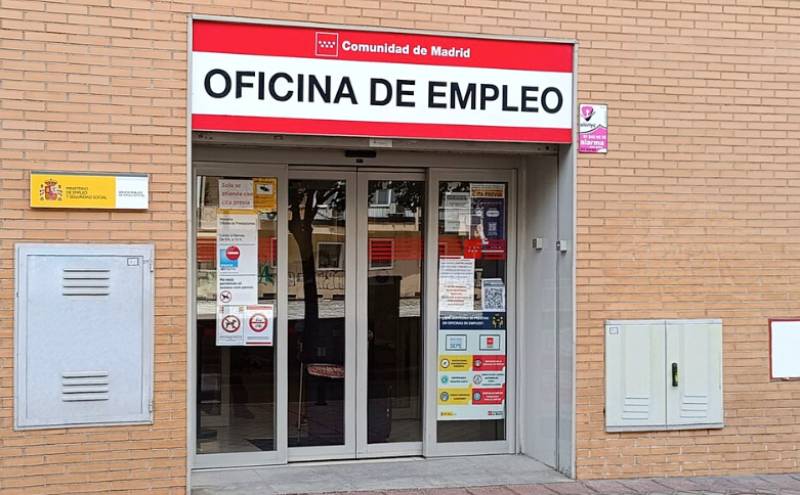
If you are in your 50s and receiving unemployment benefit in Spain, the chances of finding work are significantly lower than for other unemployed people. That is the finding of a new study published by the Bank of Spain as part of its 2025 Annual Report, and for anyone in or approaching this age group, the details are worth understanding.
According to the research, just 8.9% of people receiving the over-52 unemployment subsidy who were not working in 2021 had found employment by 2022. Compare that to the 29.9% of people on standard contributory unemployment benefits who found work in the same period, and the gap is stark.
Recipients of the over-52 benefit are roughly three times less likely to re-enter the workforce, a finding that builds on the Bank of Spain's previously expressed concerns about the design of unemployment benefits more broadly.
The benefit itself has been around since 1984, designed as a bridge for older workers who had exhausted their standard contributory benefits and needed support through to retirement. Around 467,749 people in Spain currently receive it. The monthly payment is €480, modest in itself, but the benefit carries an important additional feature: recipients contribute to social security at 125% of the minimum contribution base, equivalent to a base income of €1,780 per month, which helps protect their eventual pension from the penalty that years of unemployment would otherwise cause.
It is precisely this feature that may be part of the problem. The enhanced social security contribution creates an incentive to stay on the benefit rather than return to work, since taking a low-paid job could leave someone worse off in terms of their future pension. The Bank of Spain's research found that reducing the contribution rate increased the probability of finding work, rising from around 2% to nearly 3% the following month for men, and from just over 1% to 2.5% for women.
The indefinite duration of the benefit, which runs until retirement, is flagged as an even bigger disincentive. The study also notes that when recipients live in households with other sources of income, the motivation to return to work decreases further, an effect that is particularly pronounced for women and for those closest to retirement age.
Most recipients started claiming the benefit relatively young: 55% began between the ages of 52 and 55, dropping to 30% for the 56 to 59 group and 15% for those over 60. In a country where long-term unemployment among the over-55s exceeds 5% and accounts for half of all unemployment in that age group, the Bank of Spain is calling for improved active employment policies and stronger incentives to help people back into work.


















 If you are in your 50s and receiving unemployment benefit in Spain, the chances of finding work are significantly lower than for other unemployed people. That is the finding of a new study published by the Bank of Spain as part of its 2025 Annual Report, and for anyone in or approaching this age group, the details are worth understanding.