

















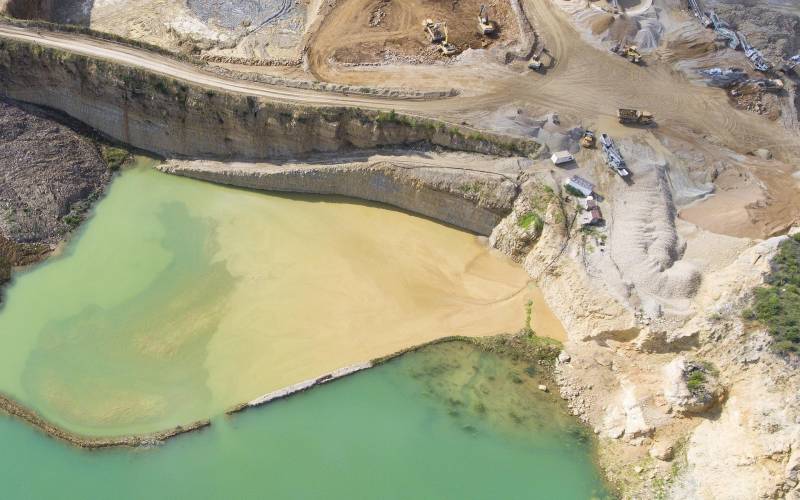
Murcia has been dealing with the long-term effects of mining for decades. Old mining operations, particularly in areas like the Sierra Minera near Cartagena, left behind soils and residues that contain heavy metals such as lead, cadmium, and arsenic. Over time, rain and floods carry these contaminants into local ramblas (dry river beds) and waterways, raising serious environmental and health concerns.
Environmental agencies have been working on programs to remove and safely manage these contaminated soils. The goal is to stop more pollution from reaching rivers and the Mar Menor, which already faces pressure from several sources.
Exposure to heavy metals in contaminated soils can affect health in several ways. Short-term contact or ingestion of dust and soil particles may cause nausea, skin irritation, and gastrointestinal issues. Long-term exposure can be more serious, with risks including kidney damage, developmental issues in children, and neurological problems. Pregnant women and young children are particularly vulnerable.
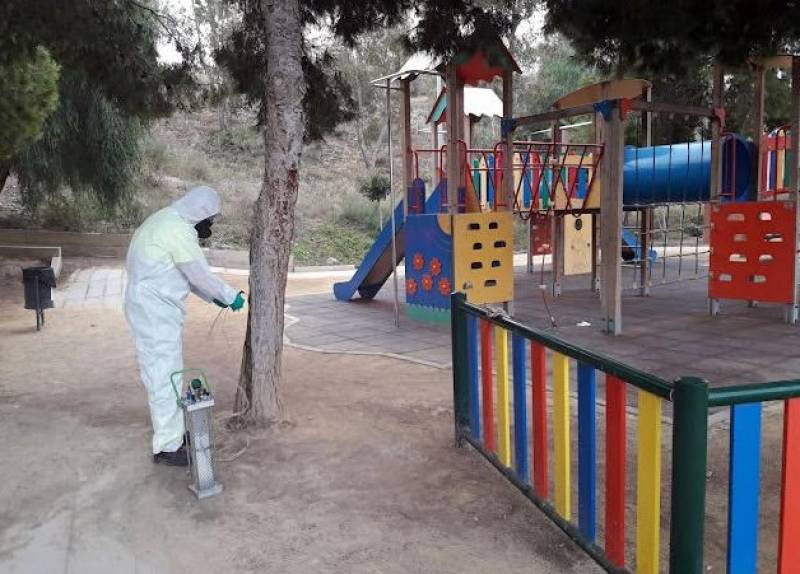
Cleaning up mining waste is a difficult process. Workers have to carefully remove the contaminated soil and make sure they don’t spread it further. In some areas, the land is restored with plants or turned into open spaces. But experts say that continued monitoring is required no matter what, to limit exposure, especially while the projects are ongoing.
These cleanup programs have been going on for years, but the recent work in the Ramblas shows that contaminated soils are still a serious problem.
Image: Pixabay/ Curioso_Photography