








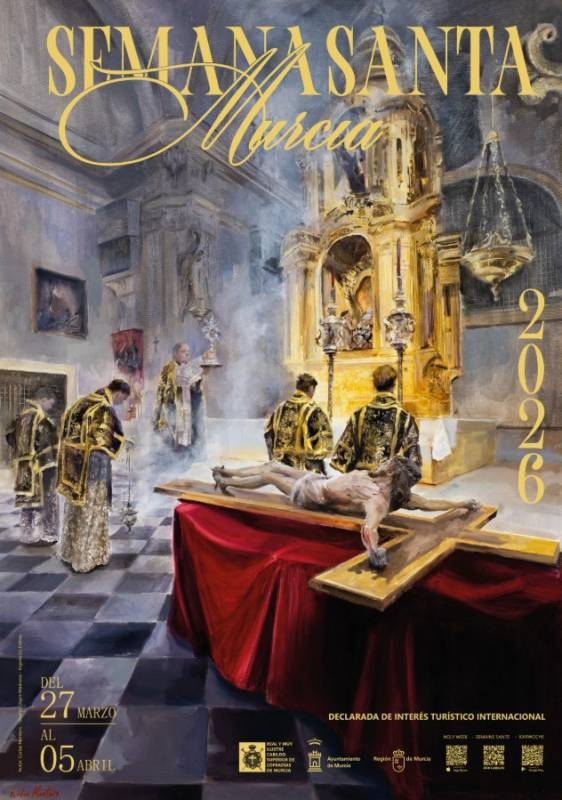



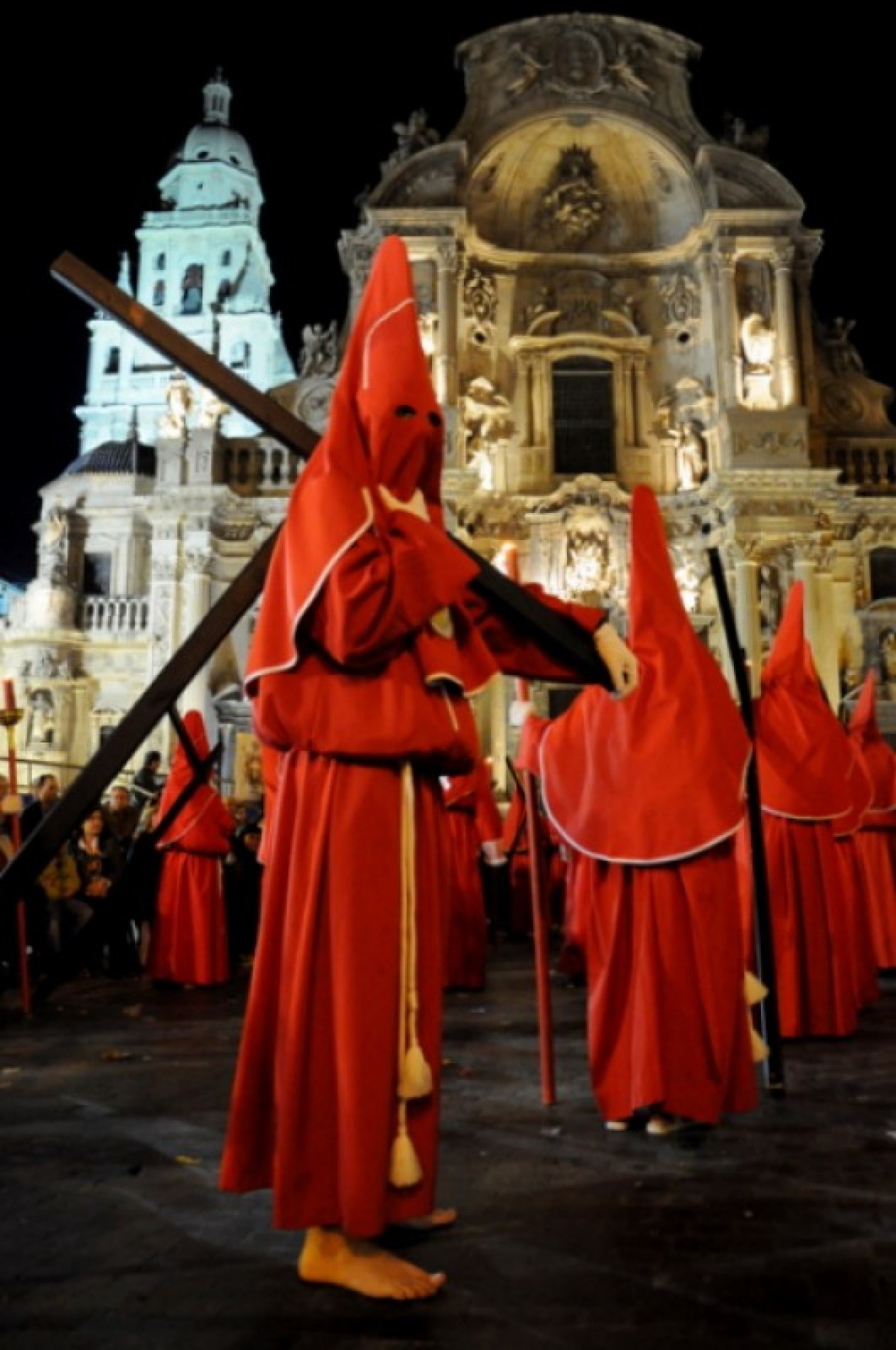
Holy Week in the Region of Murcia is a memorable occasion and the Semana Santa celebrations have been awarded International Tourist Interest status due to the sheer scale of what occurs here. The collection of sculptures owned by the Cofradias or bortherhoods is hugely impressive, including one of the most important baroque sculptural collections in Spain, those by Francisco Salzillo, which are paraded on Good Friday.
Possibly the most attractive processions are those of the Salzillos on Good Friday morning, the "Coloraos" on the evening of Holy Wednesday and the atmospheric procession of silence on the night of Maundy Thursday.
But bear in mind that you won’t be the only one there by any means: be prepared to park outside the city centre and walk to the procession route, having to patiently work your way through large crowds!
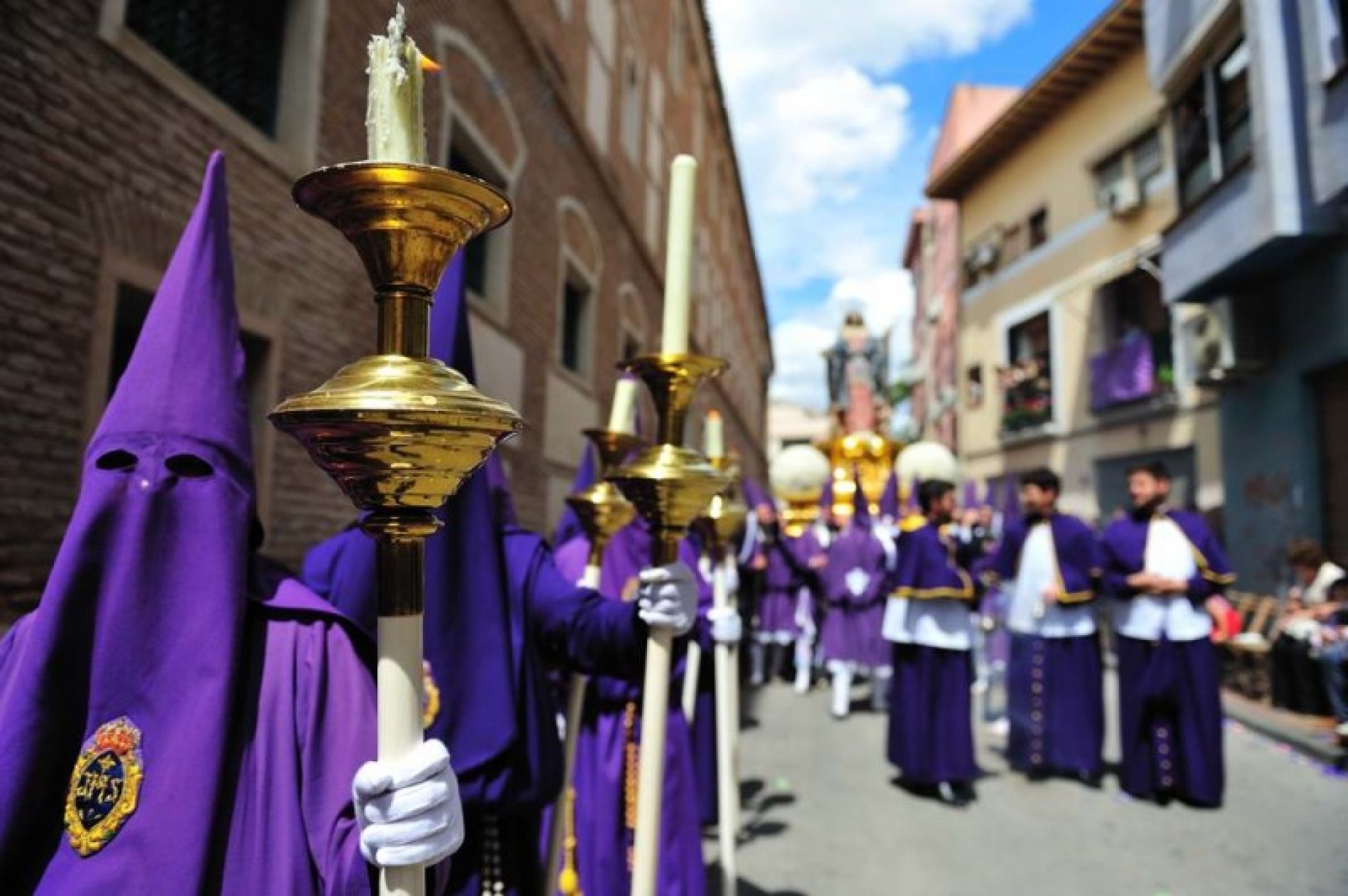
Semana Santa Program in Murcia 2026
NOTE: ALL TIMINGS ARE PROVISIONAL PENDING CONFIRMATION AND PROCESSIONS ARE SUSCEPTIBLE TO CANCELLATION IN THE EVENT OF ADVERSE WEATHER CONDITIONS
Friday March 27, Viernes de Dolores (Friday of Sorrows)
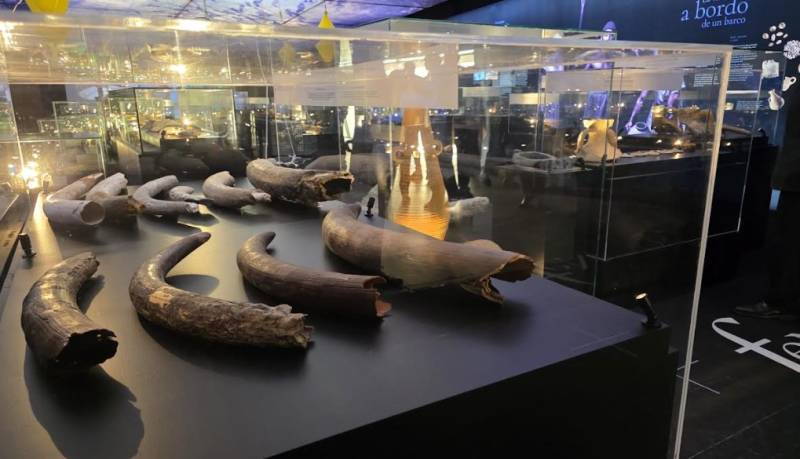
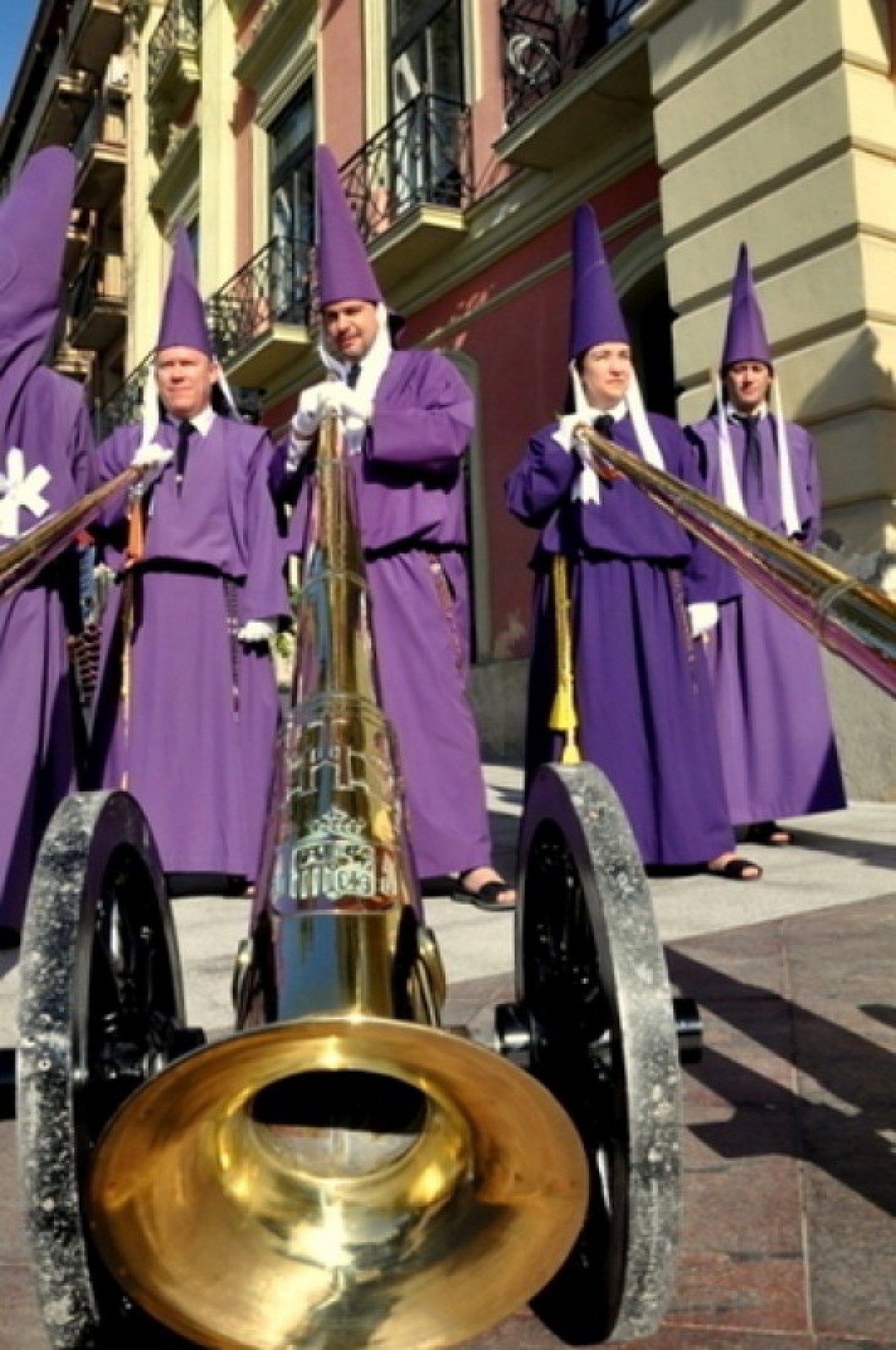
The first event is the last Via Crucis of Lent to take place, leaving from outside the Cathedral at 6.00 in the morning and roaming the streets of Murcia, carrying out what is called "bidding" and calling the faithful. They are summoned with a long instrument, reminiscent of the enormous great horns used in the Alps, which emits a harsh booming sound, almost like a donkey braying. These instruments are transported on wheeled trolleys as they're so unwieldy.
In the evening is the parade of "the blues" who have their headquarters at the church of San Nicolás. This church was paid for by a doctor called Diego Mateo Zapata, who published a medical book which aroused great envy amongst his colleagues, so much so that they denounced him to the Spanish Inquisition. Hurriedly, and to prove he was a good Catholic, he paid out the enormous sum of three thousand, three hundred doubloons to build this beautiful church!
9:00 The church of San Nicolás de Barí is open for visitors to see the tronos, standards and robes which will parade in the evening. Similarly in the churches of Santa Catalina de Alejandría, San Antolín Mártir and San Pedro Apóstol. Other churches open at 10.00 (San Bartolomé) and 17.30 (San Francisco de Asís).
19.00: Procesión de la Venerable Cofradía del Santísimo Cristo del Amparo y María Santísima de los Dolores, leaving from the parish church of San Nicolás de Bari (click for map).
Route: Calle San Nicolás, Plaza San Pedro, Calle Jara Carrillo, Plaza Martínez Tornel, Calle Tomás Maestre, Glorieta de España (by now it’s around 20.15), Plaza Cardenal Belluga, Cardenal Belluga Nicolás Salzillo Hernández Amores Trapería Santo Domingo (paso emergencia) Santa Clara Echegaray, Julián Romea, Fernández Ardavín, Santa Gertrudis Calderón de la Barca José Esteve Mora, Plaza San Bartolomé, Plaza Santa Catalina, Plaza de las Flores, Plaza San Pedro, Calle Riquelme, Calle San Benito, Plaza Mayor, Plaza San Nicolás (returning at around 23.15).
8 pasos
1. Ángel de la Pasión (1996) Sculptor: Rafael Roses Rivadavia.
2. Sagrada Flagelación (1994-96) Sculptor: José Hernández Navarro.
3. Jesús ante Pilatos (1991-94) Sculptor: Antonio Labaña Serrano.
4. Jesús del Gran Poder (1693) Sculptor: Nicolás de Bussy (attributed).
5. Encuentro Camino del Calvario (1996) Sculptor: Gregorio Fernández-Henarejos Martínez.
6. San Juan (2001) Sculptor: Gregorio Fernández-Henarejos Martínez.
7. Virgen de los Dolores (1741) Sculptor: Attr Francisco Salzillo.
8. Santísimo Cristo del Amparo (1739) Sculptor: Attr Francisco Salzillo
Saturday March 28, Sábado de Pasión (Saturday of the Passion)
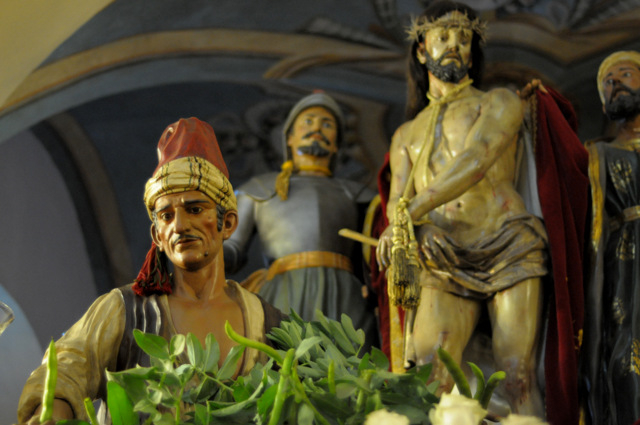
All around the city stalls are set up to sell palm branches and palm decorations, made using the bleached branches of palms which have been wrapped to ensure they stay white as they grow: one of the best places to see them is in Plaza de las Flores, where the procession leaves in the evening. All day, people come and go with flowers and palm decorations, sitting in the square enjoying tapas and coffee, and the whole place is bustling and lively.
17.45: The Procesión de la Cofradía del Santísimo Cristo de la Fe begins at the Iglesia de San Francisco de Asís, returning at around 22.30.
18.00: Another penitential procession leaves from the iglesia de Santa Catalina.
20.00: The figure of Nuestro Padre Jesús de las Mercedes meets with the figures of the Virgen del Primer Dolor and San Juan in Plaza Belluga in what’s known as an “encuentro”, a meeting of 2 or more pasos.
Route: Nuestra Señora de los Buenos Libros, Plaza Circular, Gran Vía de Alfonso X el Sabio, Plaza Santo Domingo, Trapería, Hernández Amores, Escultor Salzillo, Plaza del Cardenal Belluga (at around 19.45), Frenería, Puxmarina, Sociedad, San Bartolomé, Esteve Mora, Calderón de la Barca, Santa Gertrudis, Fernández Ardavín, Plaza Romea, Echegaray, Santa Clara, Enrique Villar, Santa Ana, Plaza de Santa Ana, Alfonso X el Sabio, Plaza Circular, Nuestra Señora de los Buenos Libros.
2 pasos:
Santa María de los Ángeles by Antonio Jesús Yuste Navarro (2014)
Santísimo Cristo de la Fe by Antonio Fernández Dorrego (1959)
19.00: Another procession of Penitence featuring the Cofradía del Santísimo leaves from the Church of Santa Catalina de Alejandría.
Sunday March 29, Domingo de Ramos (Palm Sunday)
In the morning thousands crowds in the Plaza Belluga and at various churches for their palms and palm ornaments to be blessed, in the Plaza de la Cruz at the back of the Cathedral. It’s a tradition in Murcia that children should wear new clothes, and even those with the scantest of resources would try to ensure that their children were well-dressed for this traditional blessing.
In the evening it is the turn of the Paso Verde (the greens) to parade.
11.00: Transfer of the figure of Nuestro Padre Jesús del Gran Poder from the iglesia de San Nicolás de Bari to the Convento de las Madres Capuchinas next to the Malecón gardens.
12.30: The tableaux of the Cofradía del Santísimo Cristo de la Esperanza are on display to the public until 14.00 in the church of San Pedro.
18.00: The Procesión de la Cofradía del Santísimo Cristo de la Esperanza y María Santísima de los Dolores y del Santo Cielo por la Salvación de las Almas. Route: Iglesia of San Pedro Apóstol, Plaza San Pedro, Jara Carrillo, Martínez Tornel, Tomás Maestre, Sol, Frenería, Plaza del Cardenal Belluga (around 19.00), Escultor Nicolás Salzillo, Trapería, Santo Domingo (paso emergencia), Santa Clara Echegaray Julián Romea, Fernández Ardavín, Santa Gertrudis, Calderón de la Barca, José Esteve Mora, San Bartolomé, Sociedad, Puxmarina, Madre de Dios, Gran Vía Escultor Salzillo (paso emergencia), Madre de Dios, Pascual, Jara Carrillo, Plaza San Pedro (22.00)
8 pasos:
1. Dejad que los Niños se Acerquen a mí (Francisco Liza Alarcón, 2009)
2. Arrepentimiento y Perdón de María Magdalena (Francisco Liza Alarcón 1983 and Antonio Castaño Liza, 1983-2014)
3. Entrada de Jesús en Jerusalén (José Hernández Navarro 1984-87)
4. San Pedro (Francisco Salzillo, 1780)
5. Nuestro Padre Jesús Nazareno (Santiago Baglietto y Gierra, 1817)
6. San Juan Evangelista (Antonio Castaño Liza, 2017)
7. María Santísima de los Dolores (Francisco Salzillo, 1756)
8. Santísimo Cristo de la Esperanza (Francisco Salzillo, 1755)
Monday March 30, Lunes Santo (Holy Monday)
The day focuses on the Iglesia de San Antolin (click for map), in the district of the same name. This area was the home of the master weavers and was the centre of the lucrative silk trade which was so vital to Murcia.
The brotherhood wear magenta robes in a procession which is renowned for its floral displays and beauty. Long ago this procession used to be known as the procession of the trains, as each penitent wore a train of silk which dragged 2 metres behind them, but as numbers increased it became impractical and the train was shortened.
12.00: The historic carved figure of the Cristo del Perdón is taken down from his niche and members of the public have a chance to kiss the feet of the sacred image in the church of San Antolín.
18.00: Procesión de la Real, Ilustre y Muy Noble Cofradía del Santísimo Cristo del Perdón.
Route: Iglesia de San Antolín, Vidrieros, Sagasta, Plano de San Francisco, Plaza de San Julián, San Pedro, Plaza de San Pedro, Jara Carrillo, Martínez Tornel, Tomás Maestre, Sol, Frenería, Plaza del Cardenal Belluga (around 20.15), Escultor Nicolás Salzillo, Plaza Hernández Amores, Trapería, Plaza de Santo Domingo, Santa Clara, Echegaray, Plaza de Julián Romea, Fernández Ardavín, Plaza de Santa Gertrudis, Calderón de la Barca, José Esteve Mora, Plaza de San Bartolomé, Santa Catalina, Plaza de Santa Catalina, Plaza de las Flores, Cristo de la Esperanza, Plaza de San Pedro, San Pedro, Plaza de San Julián, Pilar, Vidrieros, Plaza de San Antolín. Finishes around 1.00.
11 pasos
1. Ángeles de la Pasión (2012), José Hernández Navarro
2. Jesús en Getsemaní (1996) Sculptor: José Hernández Navarro
3. El Prendimiento (1947-48) Sculptor: José Sánchez Lozano
4. Jesús ante Caifás, Sculptors: S. Castillejos (1944) y Damián Pastor (1897).
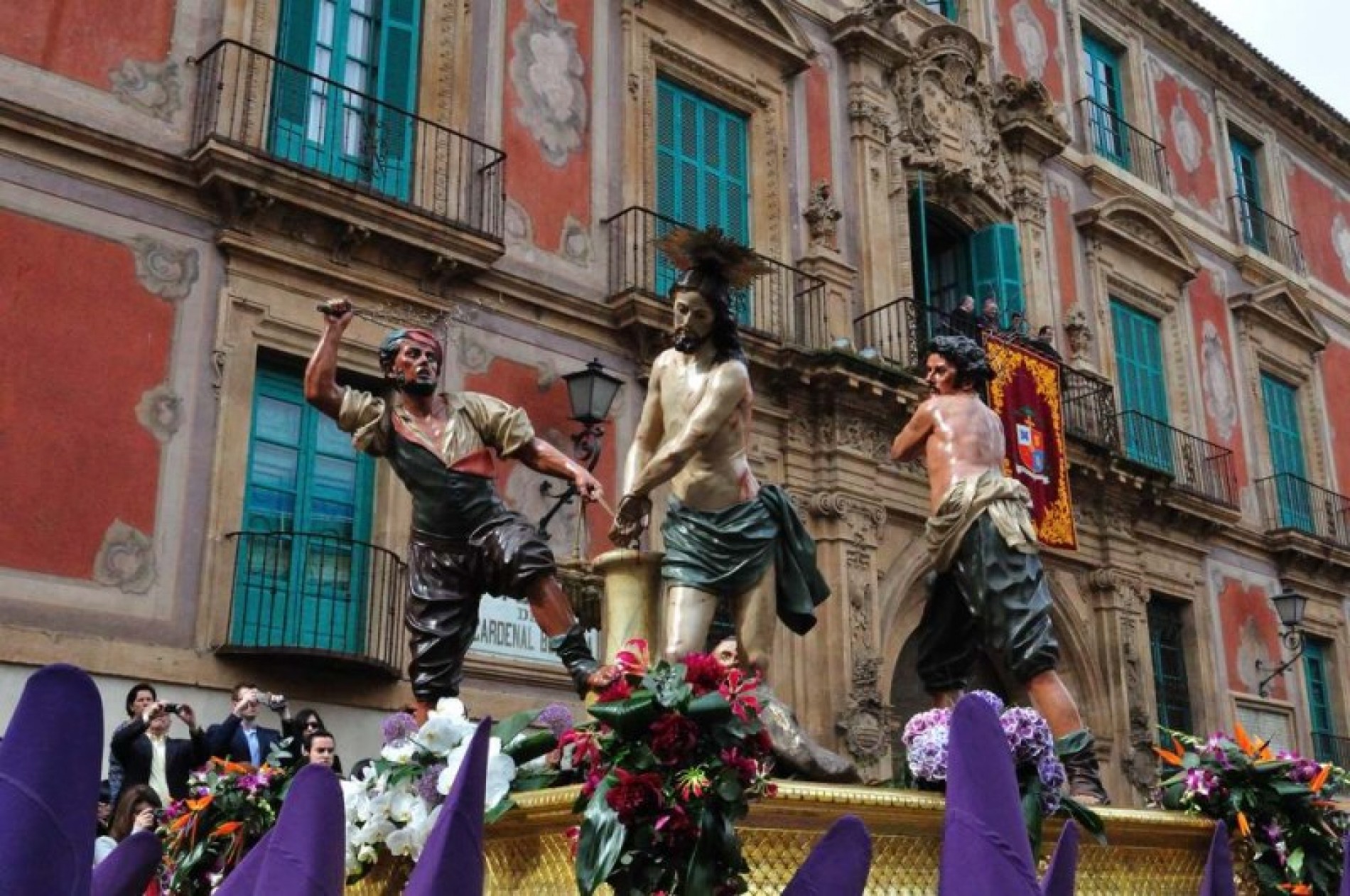
5. La Flagelación (1945) Sculptor: José Sánchez Lozano.
6. Coronación de Espinas (1982) Sculptor: José Hernández Navarro
7. Encuentro en la Vía Dolorosa. Cristo: José Sánchez Lozano (1948), Virgen: Clemente Cantos y Miguel Martínez Fernández (1924), San Juan: Anonymous.
8. La Verónica (1954) Sculptor: Francisco Toledo Sánchez.
9. El Ascendimiento (1988) Sculptor: José Hernández Navarro
10. El Santísimo Cristo del Perdón. Sculptors: Cristo Anonymous (17th century), Dolorosa: Roque López (1793), San Juan: Salzillo (1737), Magdalena: Sánchez Tapia (1897).
11. Nuestra Señora de la Soledad. Sculptor: José Sánchez Lozano (1943).
Tuesday March 31, Martes Santo (Holy Tuesday)
The two processions are in what’s called the "Andalusian style", with the penitents wearing cloaks over their tunics and not giving out sweets or gifts to the crowd. The tronos also have little wooden legs so that the bearers can rest from time to time.
10.00 to 14.00: The “tronos” or tableaux of the Hermandad de Esclavos del Rescate can be viewed in the Iglesia San Juan Bautista in Plaza San Juan (click for map).
19.00: Procesión de la Hermandad de la Esclavitud de Nuestro Padre Jesús del Rescate y María Santísima de la Esperanza. Tunic colours green and white, white and purple.
Route: Iglesia de san Juan Bautista, Plaza San Juan, Tahona, Arco de San Juan, Plaza Ceballos, Pintor Villacis, Plaza Cardenal Belluga (around 19.45), Escultor Salzillo, Pl. Hernández Amores, Trapería, Plaza de Santo Domingo, Merced, Alejandro Seiguer, Plaza Cetina, Isidoro de la Cierva, Pintor Villacis, Ceballos, Arco de San Juan, Tahona, Plaza San Juan and back to the Iglesia San Juan Bautista.
Processional order
1. Cruz Guía (Vicente Segura Valls, 1955)
2. María Santísima de la Esperanza (José Sánchez Lozano, 1948)
3. Nuestro Padre Jesús del Rescate (Anonymous, 17th century)
19.45: Procesión de la Pontificia, Real, Hospitalaria y Primitiva Asociación del Santísimo Cristo de la Salud (white tunics)
Route: Iglesia de San Juan de Dios, Plaza Cristo de la Salud, Eulogio Soriano, Pintor Villacis, Apóstoles, Plaza Apóstoles (20.50), Plaza Cardenal Belluga, Nicolás Salzillo, Hernández Amores, Trapería (paso emergencia), Santo Domingo, Merced, Alejandro Séiquer, Cetina (paso emergencia), Isidoro de la Cierva, Pintor Villacis, Eulogio Soriano, Plaza Cristo de la Salud and back to the Iglesia de San Juan de Dios.
Processional order
1. Nuestro Padre Jesús de las Mercedes (Nicolás Salzillo, 1713-25)
2. María, Consuelo de los Afligidos (2018), Francisco Javier López de Espino
3. San Juan Evangelista (Roque López, 1791).
4. Santísima Virgen del Primer Dolor (Francisco Salzillo, 1740).
5. Santísimo Cristo de la Salud (15th or 16th century, anonymous).
Wednesday April 1, Miércoles Santo (Easter Wednesday)
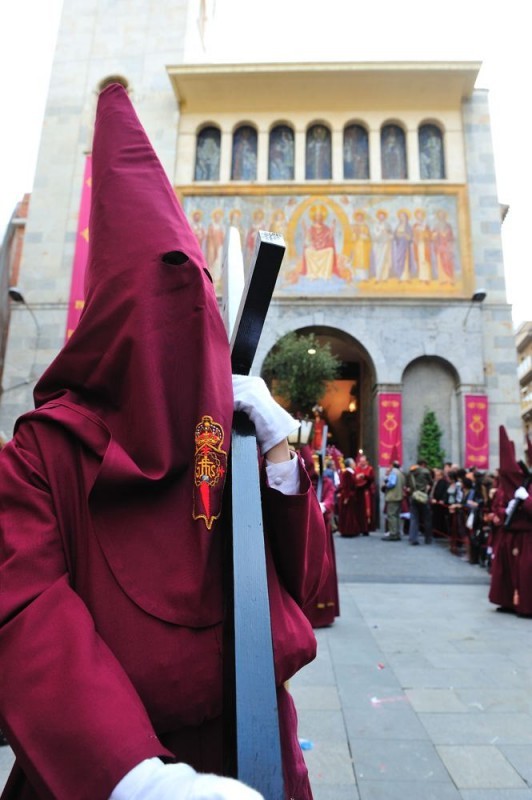
Wednesday is one of the best-loved days of Semana Santa in Murcia and the city is tinged red as the brotherhood of Los Coloraos (the reds) parade through the city.
The headquarters of this Cofradia is on the south side of the river, in the Iglesia de Nuestra Señora del Carmen, and in the past this was a more rural part of Murcia: for this reason it was popular among those who lived on the fringes of the city. Broad beans are distributed along with the normal sweets and gifts as over 1,000 children take part, all wearing the distinctive red robes of this Cofradía.
The participants’ robes are stuffed with sweets, bread rolls and eggs and a favoured viewing point is on or alongside the Puente Viejo as the procession crosses the river Segura.
18.00: Procesión de la Real, Muy Ilustre, Venerable, y Antiquísima Archicofradía de la Preciosísima Sangre de Nuestro Señor Jesucristo. The parade leaves the Iglesia de Nuestra Señora del Carmen and takes about 6 hours to complete its route.
Route: Nuestra Señora del Carmen, Colón, Plaza Camachos, Canalejos, Puente Viejo, Plaza Martínez Tornel, Calle Tomás Maestre, Sol, Frenería, Glorieta de España, Plaza
Cardenal Belluga (at around 19.00), Escultor Nicolás Salzillo, Trapería, Plaza Santo Domingo, Santa Ana, Alfonso X El Sabio, Basabé, Echegaray, Plaza Romea ,Fernández Ardavín, Calderón de la Barca, Plaza José Esteve Mora, Plaza San Bartolomé, Sociedad, Puxmarina, Madre de Dios, Gran Vía Escultor Salzillo, Madre de Dios, Pascual, Jara Carrillo, Plaza Martínez Tornel, Puente Viejo, Plaza Camachos, Colón, Nuestra Señora del Carmen. The first tableau returns to the church at around 22.30.
11 pasos
Thursday April 2, Jueves Santo (Maundy Thursday)
On this night, the street lights are turned out and the evening procession takes place in silence and darkness. Participants take a vow of silence from the moment they don their robes until they take them off.
As night falls, the two processions leave the churches of San Lorenzo and del Carmen.
12.00: Worship of the Cristo de la Misericordia in the Iglesia de San Miguel Arcángel. After this the Saint is taken to the Iglesia de San Antolín.
12.30: The figure of Christ is taken from Santa Clara and there is an “encuentro” with the Santísima Virgen de la Soledad in Plaza Santo Domingo.
18.30: The Procesión de Penitencia de Nuestra Señora de la Soledad del Calvario. Tunic color: black.
Route: Nuestra Señora del Carmen, Alameda de Colón, Camachos, Avenida de Canalejas, Puente Viejo, Plaza Martínez Tornel, Jara Carrillo, San Pedro, Plaza de las Flores, Plaza de Santa Catalina, Santa Catalina, Plaza San Bartolomé, Sociedad, Puxmarina, Frenería, Plaza Cardenal Belluga, San Patricio, Tomás Maestre, Plaza de Martinez Tornel, Puente Viejo, Avenida Canalejas, Alameda de Colón, Hermanos Cerón, Iglesia del Carmen.
The most intense moment of this procession is when the it arrives at the Iglesia-Museo de San Juan de Dios, where the Cofradía del Santísimo Cristo Yacente have prepared a funeral mound with the figure of Jesus. Manoeuvring the paso of the Virgen de la Soledad is difficult, but she enters the church, and is positioned in front of the figure of Jesus. Following a reading the "stabat mater" is sung by a choir. Hundreds of people squeeze inside the church to watch. Lights are dimmed and the church is lit only by candles before the procession continues on its route.
Pasos
1. Jesús de la Redención, Antonio Jesús Yuste Navarro (2017)
2. Cristo del Amor en la Conversión del Buen Ladrón (Gregorio Fernández-Henarejos Martínez, 2011)
3. Nuestra Señora de la Soledad del Calvario (Antonio Campillo Párraga, 1985)
22.00: The Procession in Silence of the Cofradía del Santísimo Cristo del Refugio Procesión del Silencio. Tunic colours: black and purple.
Route: Alejandro Séiquer, Merced, Plaza de Santo Domingo, Santa Ana, Alfonso X El Sabio, Santo Domingo, Trapería, Plaza Hernández Amores, Escultor Salzillo, Plaza del Cardenal Belluga (around 23.15), Escultor Nicolás Salzillo, Trapería, Barrionuevo, Cetina, Alejandro Séiquer, Iglesia de San Lorenzo.
Paso: Santísimo Cristo del Refugio (Anonymous, 16th century)
Friday April 3, Viernes Santo (Good Friday)
Good Friday is a day of mourning and sadness, but is also the day on which the best known sculptures leave the churches of the city of Murcia. Francisco Salzillo’s most important works are paraded through the streets, but it can be exhausting as the morning procession is followed by three more in the evening!
The morning parade starts early and takes 8 hours to travel around the city with over 4,000 participants clad in deep purple robes. It’s one of the best-known processions of the whole week and probably the best attended.
In the evening are three more parades, austere and serious, reflecting the mood of mourning and contemplation.
8.00: The procession of the Real y Muy Ilustre Cofradía de Nuestro Padre Jesús Nazareno, leaving from the Iglesia de Jesús (purple tunics). Route: Plaza San Agustín, García Alix, Pedro Pou, Vidrieros, Plaza de San Antolín, Sagasta, Pilar, San Julián, San Pedro, Plaza de San Pedro, Jara Carrillo, Plaza Martínez Tornel, Tomás Maestre, Glorieta, Arenal, Plaza del Cardenal Belluga (around 9.45), Escultor Salzillo, Plaza Hernández Amores, Trapería, Plaza de Santo Domingo, Echegaray, Plaza Romea, Fernández Ardavín, Calderón de la Barca, José Esteve Mora, San Bartolomé, Santa Catalina, Plaza de las Flores, Jiménez Baeza, San Nicolás, Santa Teresa, Mariano Girada, Acisclo Díaz, Plaza Agustinas, Santa Cecilia, San Agustín.
9 pasos (the work of Francisco Salzillo unless specified)
1. La Santa Cena (1761)
2. La Oración en el Huerto (1754)
3. El Prendimiento (1763)
4. Los Azotes (1777)
5. La Verónica (1756)
6. La Caída (1752)
7. Ntro. Padre Jesús Nazareno (Anonymous, 1600)
8. San Juan (1756)
9. La Dolorosa (1755)
Good Friday evening
17.30: Worship of the figure of Cristo del Refugio in the Iglesia de San Lorenzo Mártir.
18.15: Procession of the Santísimo Cristo de la Misericordia from the church of San Esteban.
Route: Acisclo Díaz, Gran Vía Escultor Salzillo, Maestro Alonso, Santa Clara, Santo Domingo, Trapería, Hernández Amores, Nicolás Salzillo, Cardenal Belluga (20.00), Arenal, Glorieta de España, Sol, Frenería, Puxmarina, Sociedad, San Bartolomé, José Esteve Mora, Calderón de la Barca, Santa Gertrudis, Fernández Ardavín, Gran Vía Escultor Salzillo, Barítono Marcos Redondo, Santa Teresa, Lorenzo Pausa, Acisclo Díaz, Iglesia de San Esteban (21.45).
Pasos:
18.45: Procession of the Servitas de María Santísima de las Angustias from the Iglesia de San Bartolomé- Santa María. Black and blue tunics.
Route: Plaza de San Bartolomé, José Esteve Mora, Calderón de la Barca, Santa Gertrudis, Fernández Ardavín, Plaza Romea, Echegaray, Santa Clara, Plaza Santo Domingo, Trapería, Plaza Hernández Amores, Escultor Salzillo, Plaza del Cardenal Belluga (around 20.30), Arsenal, Glorieta de España, Frenería, Puxmarina, Sociedad, San Bartolomé.
Pasos
1. Ángel Servita (Vicente Hernández Couquet, 1858)
2. María Santísima de las Angustias (Francisco Salzillo, 1739)
19.00: Procession of the Cofradía del Santo Sepulcro from the Iglesia de San Bartolomé. Black tunics. Route: Plaza de San Bartolomé, José Esteve Mora, Calderón de la Barca, Santa Gertrudis, Fernández Ardavín, Plaza de Romea, Echegaray, Santa Clara, Plaza Santo Domingo, Trapería, Hernández Amores, Escultor Salzillo, Plaza del Cardenal Belluga (around 21.00), Frenería, Conde Valle San Juan, Jara Carrillo, Plaza San Pedro, Plaza de las Flores, Pl Santa Catalina, Santa Catalina, Plaza de San Bartolomé (22.00)
Processional order
1. Santísimo Cristo de Santa Clara la Real (Francisco Salzillo, 1770)
2. Santísima Virgen de la Amargura (González Moreno, 1946)
3. Santo Sepulcro (González Moreno, 1941)
4. San Juan Evangelista (González Moreno, 1952)
5. Santísima Virgen de la Soledad (Anonymous, 17th century)
Saturday April 4, Sábado Santo (Easter Saturday)
Two processions begin in the early evening.
17.00: Procession of the Santísimo Cristo de la Caridad. Black tunics.
Route: Iglesia de Santa Catalina, Santa Isabel, Platería, José Esteve Mora, Jabonerías, Julián Romea, Arco de Santo Domingo, Santo Domingo, Enrique Villar, Santa Ana, Alfonso X El Sabio, Santa Ana, Santo Domingo, Trapería, Hernández Amores, Salzillo, Cardenal Belluga (approx 18.40), Frenería, Puxmarina, Sociedad, San Bartolomé, José Esteve Mora, Platería, Santa Isabel, Santa Catalina.
Paso: Nuestra Señora del Rosario en sus Misterios Dolorosos (Ramón Cuenca Santo, 2013)
19.00: Procesión de la Cofradía del Santísimo Cristo Yacente y Nuestra Señora de la Luz en su Soledad. The participants wear white, the Hebrew colour of mourning, and walk barefoot and in silence. Following the procession, the Easter Vigil begins in the Cathedral.
Route: Plaza de San Juan de Dios, Cristo de la salud, Eulogio Soriano, Apóstoles, Plaza del Cardenal Belluga (19.20), Frenería, Plaza Puxmarina, Sociedad, Plaza de San Bartolomé, Plaza José Esteve Mora, Jabonerías, Plaza de Julián Romea, Arco de Santo Domingo, Plaza Santo Domingo, Trapería, Plaza Hernández Amores, Óliver, Apóstoles, Eulogio Soriano, Cristo de la Salud, Plaza de San Juan de Dios.
Pasos
1. Santísimo Cristo Yacente (Diego de Ayala, 1574)
2. Nuestra Señora de la Luz en su Soledad (Anonymous, 17th century)
Sunday April 5, Domingo de Resurrección, Easter Sunday
 The mood changes to one of celebration and the participants in the final procession wear white, with different coloured cloaks. Gone are the “capirotes” (hoods) of the penitents, replaced by soft turban-like head-dresses.
At the head of the procession comes the devil in chains, being led by angels with jingling bells, symbolising the triumph of light over darkness. Following this are bands, flowers, light and thousands of people, celebrating the resurrection, and the whole procession takes about 6 hours to wend its way through the streets.
8.15: Procesión de Nuestro Señor Jesucristo Resucitado, starting at the Iglesia de Santa Eulalia.
Route: Plaza Santa Eulalia, Calle San Antonio, Isidoro de la Cierva, Plaza Cetina, Plaza Hernández Amores, Trapería, Plaza Santo Domingo, Sabta Clara, Echegaray, Plaza Julián Romea, Plaza Santa Gertrudis, Plaza José Esteve Mora, Plaza San Bartolomé, Santa Catalina, Plaza de las Flores, Plaza San Pedro, Calle Jara Carrillo, Plaza Martínez Tornel, Calle Tomás Maestre, Glorieta de España, Calle Arenal, Plaza Cardenal Belluga, Calle Apóstoles, Calle Pintor Villacis, Plaza Ceballos, Calle Simón García, Calle Joaquín Costa, Plaza Santa Eulalia.
11 pasos
1. San Miguel Arcángel (Francisco Liza Alarcón, 1994)
2. Cruz Triunfante (Clemente Cantos Sánchez, 1917)
3. Nuestro Señor Jesucristo Resucitado (José Planes, 1949, and García Mengual, 1972)
4. Las Tres Marías y el Ángel del Señor (Antonio Labaña Serrano, 1993)
5. Aparición de Jesús a Mª Magdalena (Antonio Labaña Serrano, 1982)
6. Los Discípulos de Emaús (Antonio Labaña Serrano, 1983)
7. Aparición de Jesús a Tomás (Apostles by Francisco Sánchez Araciel, 1912 / Christ by José Hernández Navarro, 1994)
8. Aparición de Jesús en el Lago Tiberiades (Antonio Labaña Serrano, 1987-89)
9. La Ascensión del Señor (José Hernández Navarro, 2000)
10. San Juan Evangelista (Venancio Marco, 1912)
11. La Virgen Gloriosa (José Mª Sánchez Lozano, 1950)
And with that it’s all over for another year! Except...
In the city of Murcia the end of the last Semana Santa procession marks the beginning of another week of fiestas! No sooner are the Cofradías able to rest their weary feet than they are able to enjoy the traditional cooking and festive atmosphere of the “barracas”, as the regional capital celebrates the arrival of spring with seven days more holiday in the Fiestas de Primavera, including the Bando de la Huerta and the Entierro de la Sardina!
 The Montessori method departs from traditional teaching practices by placing the child’s interests, capacity to choose and natural abilities at the heart of the learning environment, rather than focusing on fitting all students into rigid, one-size-fits-all boxes.
“CHARACTER CANNOT BE TAUGHT, AS IT COMES FROM EXPERIENCE, NOT FROM EXPLANATION.”
 The Montessori British School based in Central Murcia expounds this unique and revolutionary teaching method in all its classes and extracurricular activities, while at the same time giving students a firm grounding in the UK educational system.