












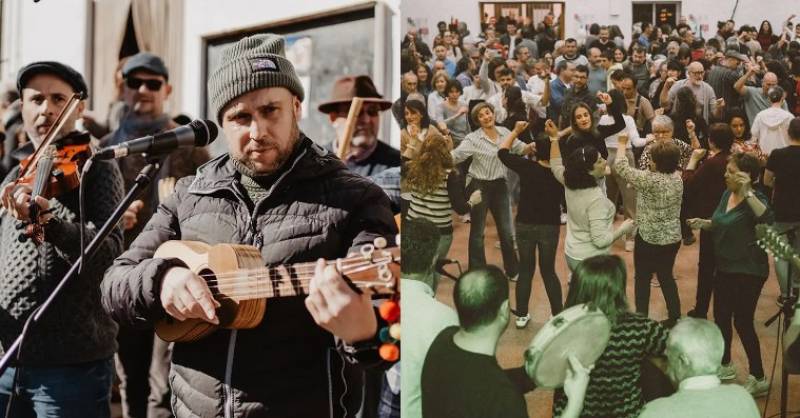
 Over the weekend of 23rd to 24th January 2026 the village of Barranda in the municipality of Caravaca de la Cruz will be welcoming thousands of people to the 48th edition of its annual Festival de Cuadrillas and folk festival - last year the final day saw over 25,000 people gather in the village!
This is the largest and most important gathering of traditional “cuadrillas” in the Region of Murcia, sharing and enjoying traditional folk music which has been passed down verbally for generations. In addition to the music and dancing, the village hosts a market of countryside traditions which celebrates not only the crafts and skills passed down from one generation to another, but also the gastronomic traditions of Murcia, with workshops, crafts, demonstrations and plenty to eat.
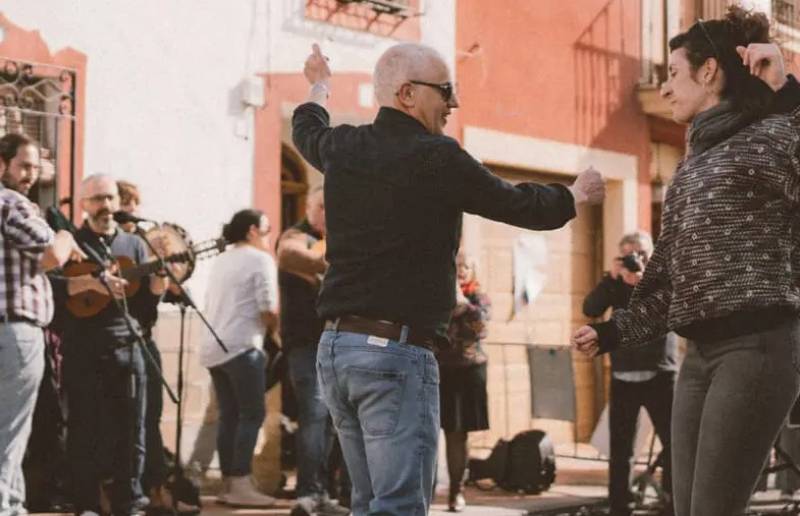 The dates of the festival coincide with the Fiestas de la Candelaria, the patron saint of Barranda, and it was given the status of “National Tourist Interest” in January of 2011.
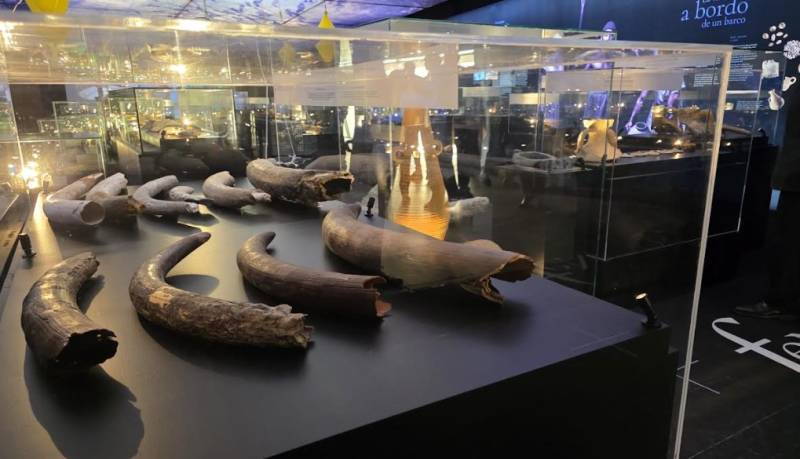
It should be noted that Barranda has a strong musical tradition and is home to the Ethnic Instruments Museum, one of the network of 6 establishments funded by the regional government of Murcia and this year celebrating the 20th anniversary of its opening.
The program for the Folk and Cuadrillas festival in 2026 includes the following:
Friday January 23
Activities in the local primary school during the morning, while in the afternoon a book presentation is held at 20.30 in the Centro Cultural Pepe Salcedo prior to a free concert by Manu Sequera as part of the Región de Murcia evento.
The evening ends with a Cuadrilla dance at 23.00 by the Animeros de San Blas from Bullas.
Saturday January 24
A day devoted to presentation of research into the culture of oral cultural transmission and workshops concerning tambourines and traditional dances. At the end of the day the famous Semana Santa drummers of Mula perform in the streets.
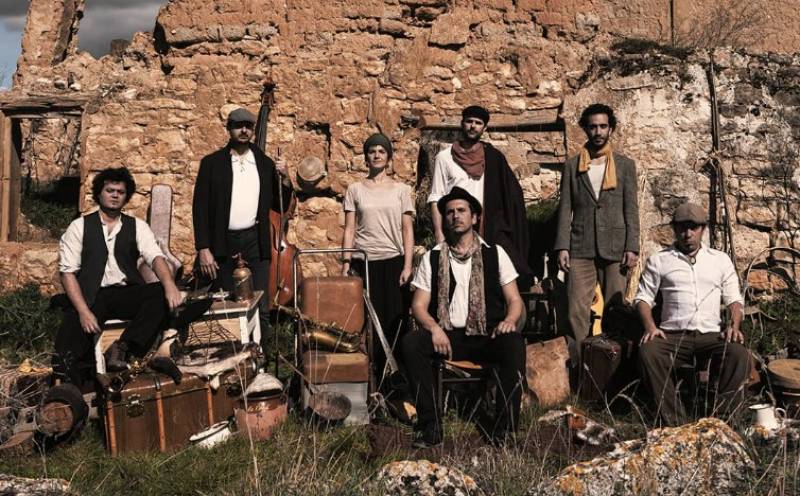
20.30: The Barranda Folk event begins at the Centro Cultural Pepe Salcedo with performances by El Naán and El Efecto Verdolaga. Tickets cost 15 euros in advance and 20 euros on the door.
Sunday January 25
9.30: Holy Mass with music from the Animeros de Cehegín, followed by an official reception for the Cuadrilla groups taking part.
11.30 to 14.00: The musicians and dancers take to the streets of Barranda to entertain the general public, returning to the Calle Mayor in the afternoon before carrying on the fun at the Centro Cultural Pepe Salcedo.
The Murcia groups taking part are the Animeros de Caravaca, the Cuadrilla de la Albatalía-Arboleja, the Cuadrilla de Aledo, the Cuadrilla de Zarcilla de Ramos, the Cuadrilla de Purias, the Cuadrilla del Raiguero, the Animeros de Cehegín, the Animeros de la Posá La Compañía and the Aguilanderos de Barranda, while guests from outside the Region are coming from Nerpio and Albacete in Castilla-La Mancha, Villanueva de la Vera in Extremadura and Mallorca.
For the full prgramme of the fiestas de La Candelaria in Barranda click here, or for more local events, news and visiting information contact the local tourist office (telephone 968 702424) or go to the home page of Caravaca Today.
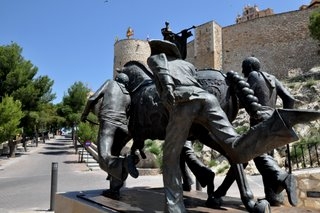 More information about the places of interest which can be visited in the municipality of Caravaca de la Cruz, along with what's on and local news can be found in the Caravaca Today.
Caravaca de la Cruz, in the north-west of the Region of Murcia, is one of only 5 Holy Cities in the Roman Catholic world, a centre of pilgrimage, along with Rome, Jerusalem, Santiago de Compostela and Santo Toribio de Liebana, and is home to the Cross of Caravaca, the Vera Cruz.
The status of Holy City was bestowed by Pope John Paul II in 1998, granting the City a Permanent Jubilee year every 7 years for perpetuity, the first one held in 2003 and the next in 2024.
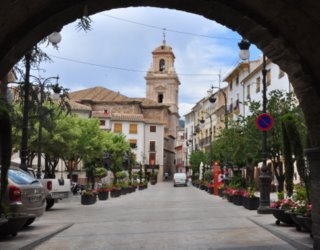
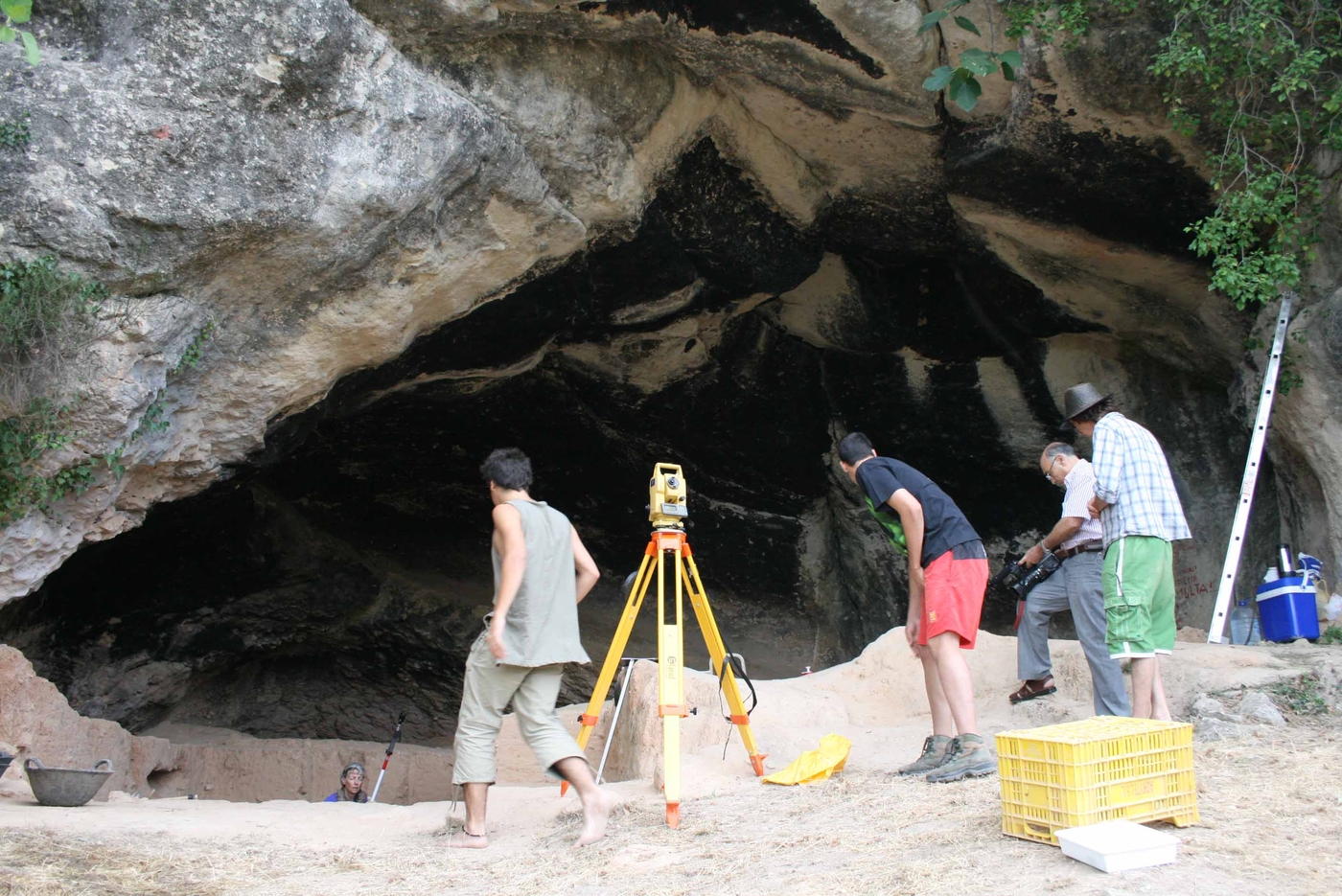
The strategic and natural advantages of Caravaca de la Cruz have attracted the attention of settlers for more than 800,000 years, the Cueva Negra yielding remains of Homo Heidelbergensis, forbears of the Neanderthals and the municipality also houses important archaeological remains from the Argaric, Iberian and Roman cultures. many of these can be seen in the Municipal Archaeological Museum.
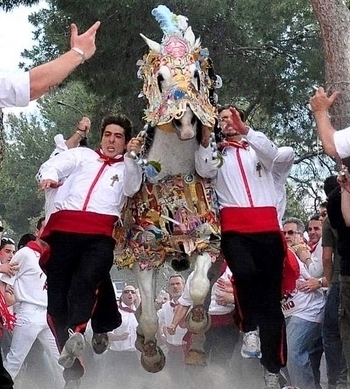 As a border town caught between the Catholic forces of Castille and the last remaining Moorish stronghold in Spain, Granada, Caravaca had a turbulent medieval history, but it was during this period that the legend of the Cross of Caravaca was born, bringing the religious orders which shaped the structure of Caravaca today, with its impressive hilltop castle and eclectic collection of churches and monasteries, religious tourism today being a backbone of the town´s economy.
Caravaca de la Cruz is a municipality with important natural resources, including extensive forests, part of which have protected status due to their wealth of flora and fauna, and due to the abundant water supplies is also a major area for canned fruit production, apricots in particular being an important crop.
 Caravaca is renown for its important May Fiestas, held in honour of the Vera Cruz, which also incorporate the Moors and Christians celebrations and the Running of the Wine Horses.
Caravaca de la Cruz is also the home of Europe´s largest collection of ethnic instruments at Barranda, the Museo de Música Étnica Barranda and is the location of the Barranda festival de Cuadrillas, which celebrates the Region's ethnic music traditions.
The municipality is home to around 26,000 inhabitants and shares boundaries with Moratalla, Cehegín, Lorca, Puebla de Don Fadrique in the province of Granada and Vélez-Blanco in the province of Almería.
Opening times:
Weekdays: 10.00 to 14.00 and 16.30 to 19.30
Saturdays: 10.30 to 14.00 and 16.30 to 19.30
Sundays and public holidays: 10.30 to 14.00
Click for map, Caravaca de la Cruz Tourist Office