










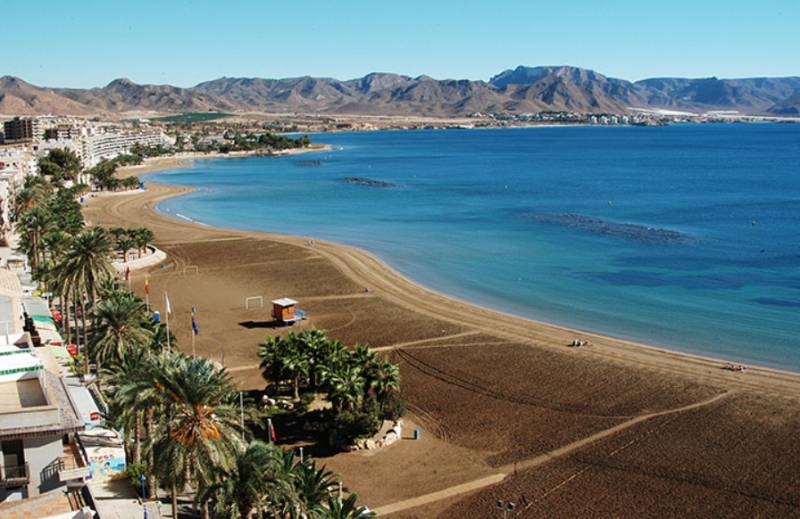





The Mar Menor has become the base for an international research project after scientists identified the lagoon as one of the best places to study the environmental pressures that many Mediterranean coastlines are expected to face in the years ahead.
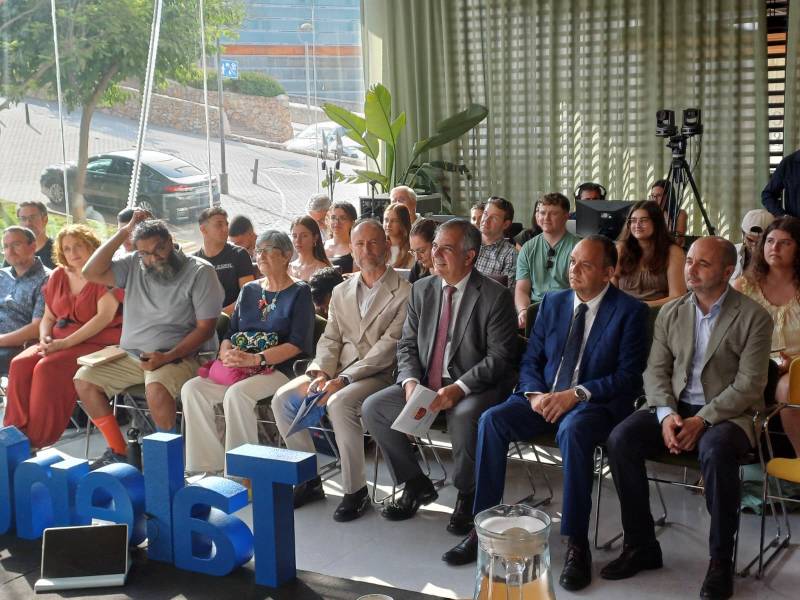
The Mar Menor Living Lab has brought together researchers from the Technical University of Cartagena (UPCT), New York University, the Cyprus University of Technology and the Technological University Dublin for an intensive summer programme exploring sustainable coastal management.
The project turns the Mar Menor and Cartagena into what organisers describe as a 'living laboratory', where international teams can test ideas and share knowledge while working on real environmental challenges.
Researchers believe many of the environmental changes already affecting the Mar Menor are likely to become more common across other parts of the Mediterranean. By studying the saltwater lagoon now, they hope to develop practical solutions that can be used elsewhere before similar problems become more widespread.
Regional Minister for Environment, Industry, Universities, Research and the Mar Menor, Juan María Vázquez, said the international project is already working intensively on the sustainability challenges facing Europe's largest saltwater lagoon.
He described the Mar Menor as "one of the most closely monitored ecosystems in the world", saying years of cooperation between the regional government, universities, research centres and environmental organisations have created an unparalleled network of scientific knowledge and environmental monitoring.
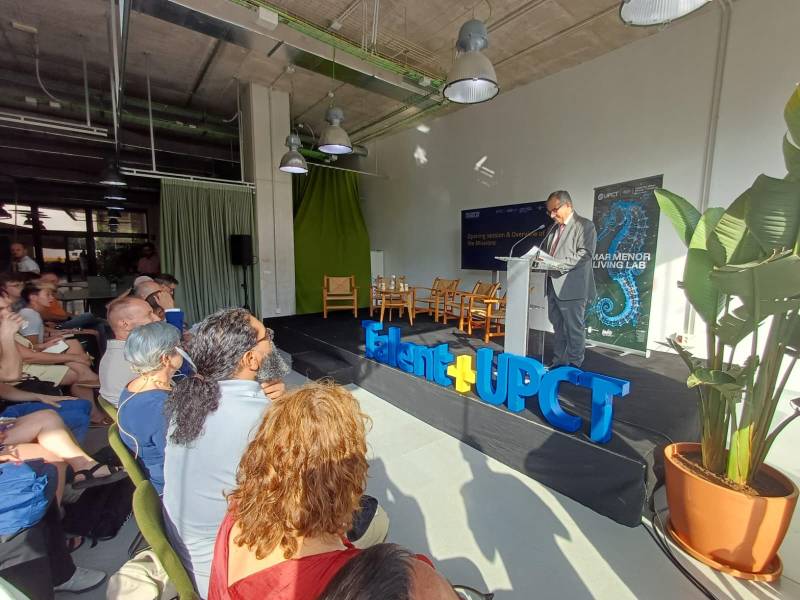 Over the coming days, the teams will work on a range of environmental projects, including looking at better ways to manage coastlines, using satellites and sensors to track pollution entering the sea from multiple sources, and exploring how coastal areas can better withstand flooding.
At the end of the programme, each team will present either a scientific proposal or an innovation project that could contribute to the sustainable management of Mediterranean coastal areas.
Vázquez added, "Much of what is happening in the Mar Menor offers an insight into the future of other Mediterranean coasts, and studying it through rigorous scientific research allows us to prepare for that future."
He went on to say that the lagoon has become a natural centre for scientific innovation, where universities are helping to develop new technologies, gather continuous environmental data and support better decision-making.
Protecting the Mar Menor, he said, depends on scientific rigour, long-term commitment, cooperation and making use of the best research available.
Read also: New study identifies hidden pollution source beneath the Mar Menor
Image: CARM