Date Published: 09/12/2025
EU signs off tougher migration rules despite Spanish objections
ARCHIVED ARTICLE -
New return directive allows faster deportations and offshore detention centres, prompting concern from Madrid

The European Union has approved a major tightening of its migration policy, clearing the way for faster deportations and the creation of detention centres outside EU borders. The agreement was pushed through by the EU’s interior ministers on Monday without any real debate, although
Spain made it clear that it cannot support the changes.
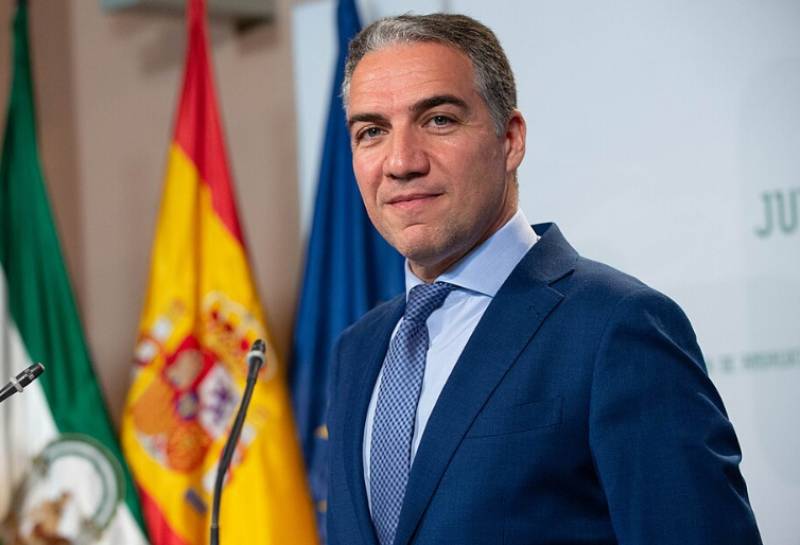
Spain’s Interior Minister, Fernando Grande-Marlaska, warned on his arrival that several elements of the deal go far beyond what Madrid believes is acceptable. He argued that sending people to detention and internment facilities in non-EU countries “could violate international law and human rights”. He also spoke out against proposals that would allow two-year stays in these centres, with the option of extending them indefinitely, as well as lifetime bans on future entry to EU territory.
Even so, the Council approved a “general approach” to the new return directive, which now heads to the European Parliament for approval. The package includes a series of new measures, the most controversial being the endorsement of holding migrants in third countries deemed “safe”. Italy already has such an agreement in place with Albania, a model that several Northern European governments have been encouraging the EU to expand.
Alongside this, the reforms aim to make deportations faster and more coordinated across the bloc. A key part of the plan is the mutual recognition of return decisions among all member states, meaning a person ordered to leave one EU country can be removed by another without the case being reopened. Danish Migration Minister Rasmus Stoklund welcomed the shift, saying the new system “could significantly improve” the current situation in which most people issued with return orders do not actually leave.
The tougher EU line contrasts with earlier signs that migrant arrivals in south-eastern Spain had begun to ease this year. At the same time, governments under the most pressure will now receive less financial support. The bloc’s Solidarity Fund, designed to help countries like Spain manage irregular arrivals, has been cut from 600 million euros to 420 million, and the number of relocations planned for 2026 has been reduced from 30,000 to 21,000.
Marlaska said Spain was looking for “a balance between solidarity and responsibility” and that the final text did not achieve this. For that reason, Spain chose to abstain.
Although the directive still needs Parliament’s approval before it becomes law, Monday’s vote makes it clear that the EU is moving towards a more restrictive migration framework, one that Spain believes does not reflect the values the bloc claims to uphold.
Image: Fifaliana Joy/Pixabay
article_detail

|
Read more articles about Illegal Migration