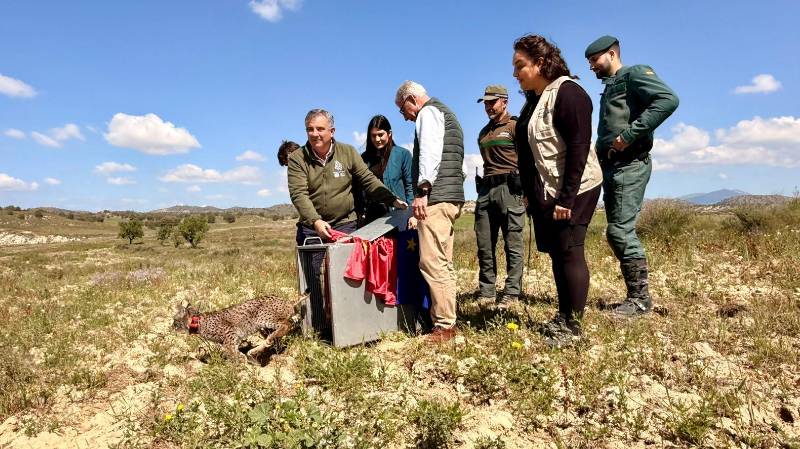
On Tuesday March 24, a young lynx known as Wonders was released into the Lorca Highlands, marking another step forward in efforts to rebuild the population in the Region of Murcia. For locals, it’s further proof that the area is now firmly established as lynx territory.
Wonders’ journey to this point hasn’t been an easy one. Born in the wild near Navalmoral de la Mata in Cáceres in early March 2025, the cub’s life changed just weeks later when its mother was killed by a car. Wildlife teams stepped in quickly, rescuing the litter and beginning a carefully managed recovery process.
The young lynx was raised at the Granadilla breeding centre alongside its siblings, with the help of an adoptive female called Flora, who played a key role in teaching essential survival skills. After months of preparation, Wonders was moved to a pre-release enclosure in Monfragüe National Park before finally making the journey to Murcia.
According to Lorca City Council, this kind of coordination between different parts of Spain is essential to the programme’s success. They explained that sharing animals between regions helps strengthen genetic diversity and gives the species a better chance of long-term survival.
Wonders is one of ten lynx released in Murcia so far in 2026, bringing the total number reintroduced in the Region to 36 since the programme began in 2023. Over that time, the Lorca Highlands have seen stable territories established and even the first wild births, a milestone that signals real progress.
The Region of Murcia is also starting to connect with other lynx areas in Andalusia and Castilla-La Mancha, creating a wider network that conservationists believe is key to securing the species’ future.
But it’s not just releases making headlines this week. At Terra Natura Murcia, Brisa, one of the park’s most recognisable lynxes, is celebrating her 21st birthday. Keepers say she is now the second oldest recorded Iberian lynx in Spain, a remarkable age for a species that once faced extinction.
Sardina’s story mirrors Wonders’ in some ways. She was also abandoned as a cub and raised by staff, before going on to successfully breed. According to the team, stories like hers highlight just how far conservation efforts have come in recent years.
With more cubs being born, more lynx being released and areas like Lorca playing a central role, the recovery of the Iberian lynx is no longer a distant hope, but a real and growing success story.

















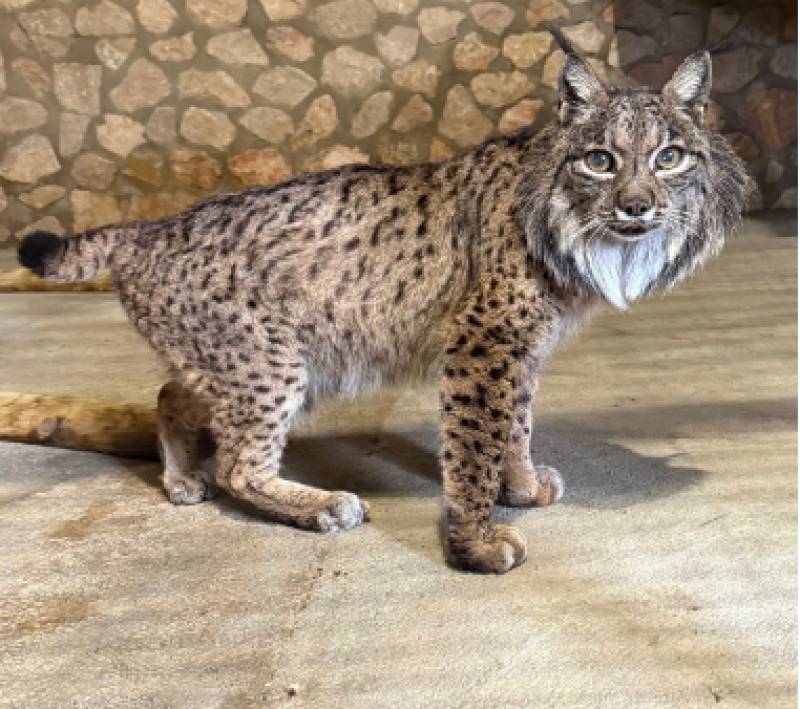 But it’s not just releases making headlines this week. At Terra Natura Murcia, Brisa, one of the park’s most recognisable lynxes, is celebrating her 21st birthday. Keepers say she is now the second oldest recorded Iberian lynx in Spain, a remarkable age for a species that once faced extinction.