













 The long and turbulent history of the Region of Murcia has left a legacy of fascinating architectural structures of all kinds, some of them rightly praised as works of art in the own right and others far less glorified, unlikely to make the front covers of travel magazines but equally revealing and fascinating in many different ways!
This selection contains a mix of everything, from the old to the new, from the grandiose to the humble, and of course from the major cities of the Region to the tiny villages in the countryside that you may never have even heard of!
The glory of Ancient Rome
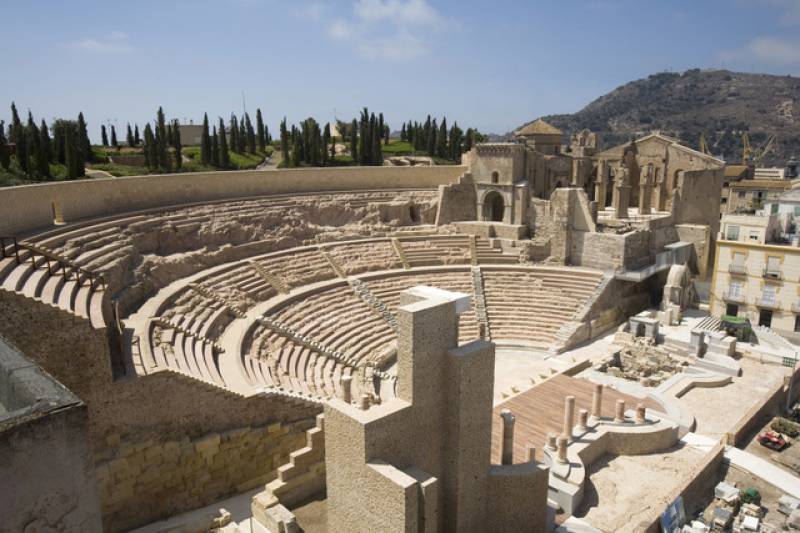 We begin with perhaps the best-known historical building in the Costa Cálida – although in truth nobody even knew it awas there until the late 20th century! It wasn’t until excavation work began for a planned arts and crafts centre close to the seafront in Cartagena that the remains were discovered of the Roman Theatre, which had been lost under the ground for many centuries after its construction in the 1st century AD.
Although excavation still continues, the theatre can now be visited in all its glory, and the museum in the complex is the most visited in the entire Region of Murcia. No sightseeing tour of Murcia is complete without this 2,000-year-old marvel!
The freezer of the Region of Murcia
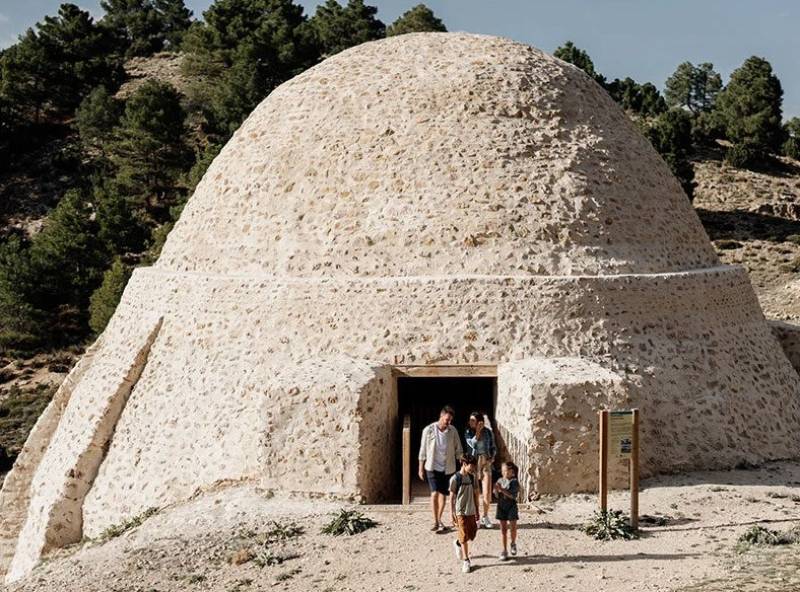 It’s difficult in this day and age to remember that until relatively recently the refrigeration of food and drink was extremely difficult to achieve, and of course in the warm climate of Murcia the problem is even greater than it was in northern Europe.
However, those living in the mountains of the Sierra Espuña, now a major regional park, provided a solution through their ingenuity and hard work. For many centuries they built and operated “snow wells” (pozos de nieve), making the most of the cold winters on the highest ground (this was before global warming!) to build igloo-shaped structures out of stone in which they stored compacted snow and ice and then transported it to the cities of Lorca, Murcia and even Cartagena.
Of course, some of it melted in transit, but they did a roaring trade from the 16th century to the early 20th – the last one was still in use 100 years ago, in 1926. At their peak, the amount of ice they produced was staggering: in 1794 it is recorded that as much as 450,000 kilos of ice were sold in the city of Murcia!
The snow wells, some of which have been restored, can still be visited in the areas above 1,400 metres above sea level, and regular guided tours are held thanks to the efforts of the regional tourist board and the tourist office in Totana.
Baroque spendour
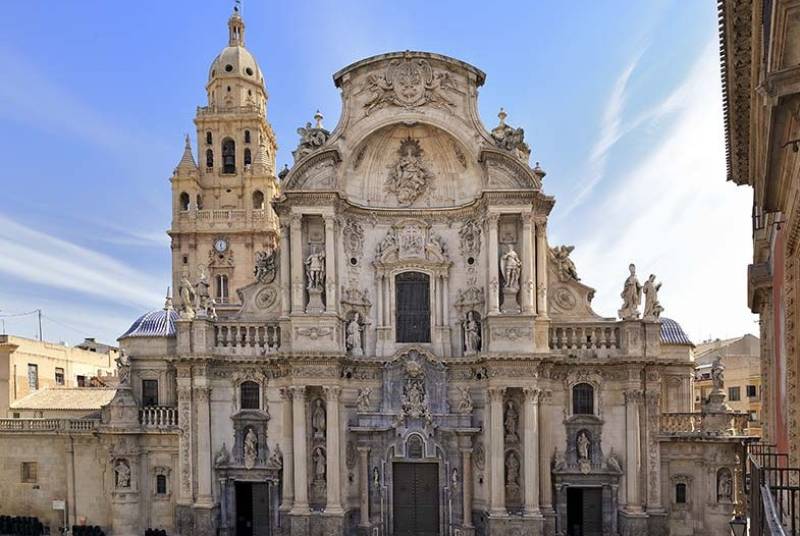
Back to the well-trodden tourist route, and into the heart of Murcia to see the iconic cathedral, best-known for its magnificent baroque façade and the splendid tower. Inside, the styles are a blend of baroque, Renaissance and gothic, and the square outside, home to the episcopal palace, is one of the best places in the regional capital to sit, enjoy a tapa or two and watch the world go by!
Centuries of history in the centre of Lorca
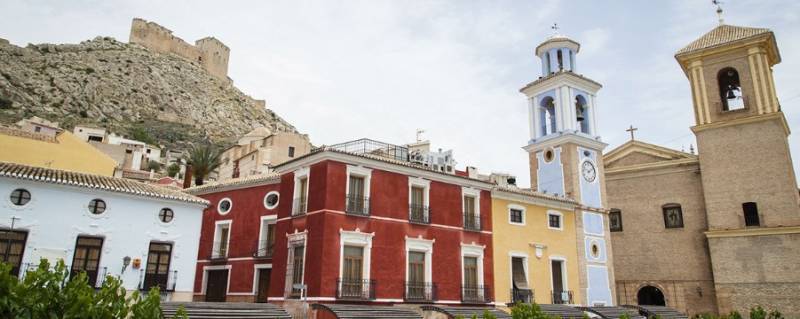
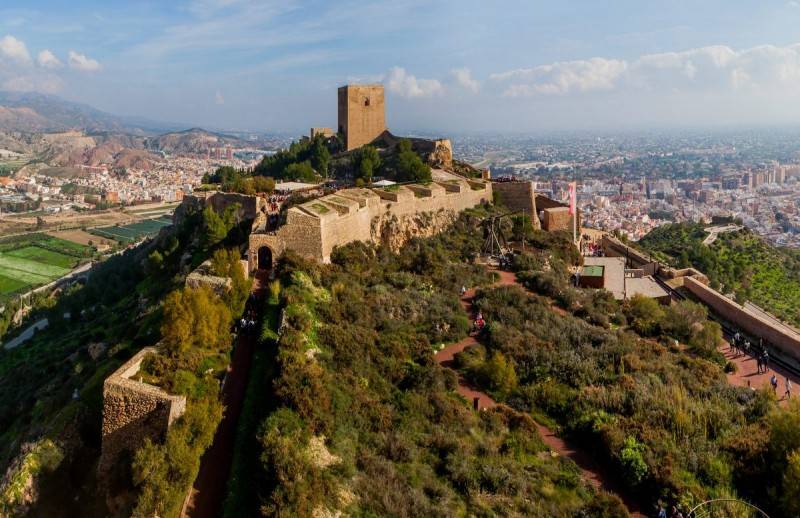
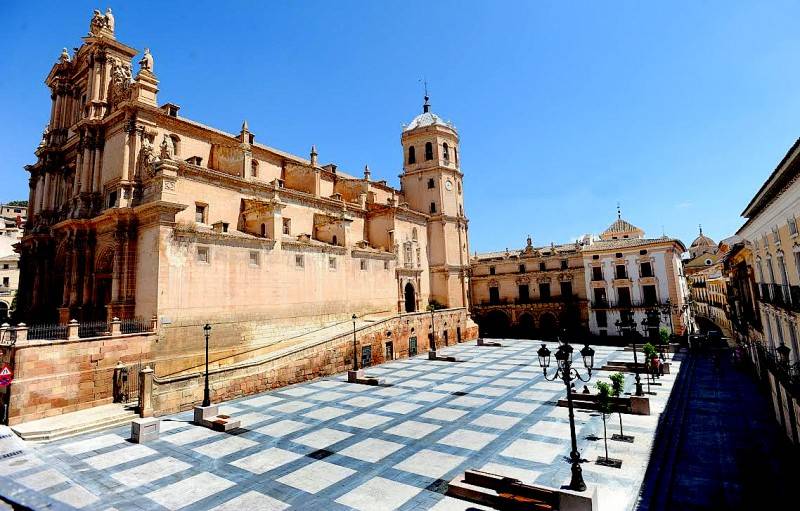 It is hard to identify a single building which encapsulates the historical importance of the city of Lorca – the castle above the city was impregnable throughout the Middle Ages despite Lorca lying so close to the border between Christian and Moorish kingdoms, while the recent re-opening of the Palacio de Guevara to visitors has seen a surge in the number of people coming to the city to see the sights.
But perhaps the real heart of the city is the Plaza de España, where the superb Town Hall building is just a few metres from the monumental former Collegiate Church (one rung below a Cathedral in the ranking of Catholic churches) of San Patricio, which dominates the entire square. It took 250 years to complete the building (finishing in 1780) and when you see the scale of it you can almost imagine why!
Don’t miss the audio guide (available in English), which allows you to make your way around in your own time, and if you’re feeling strong climb to the top of the tower and admire the view!
Modernist extravagance at the home of flamenco music in Murcia
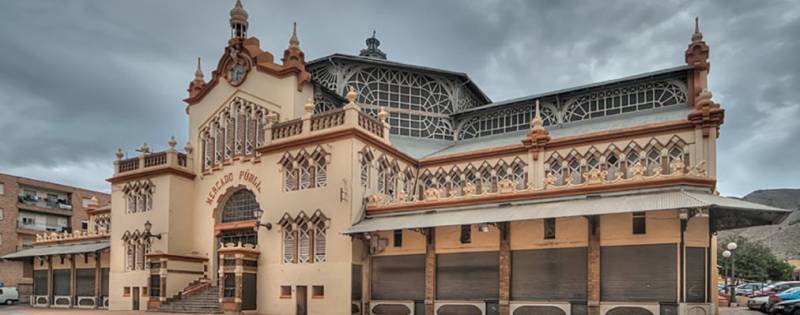 The town of La Unión made its name, and its money, during the intense mining activity of the late 19th and early 20th centuries and is nowadays probably best known for the flamenco festival of the Cante de las Minas which is held every summer.
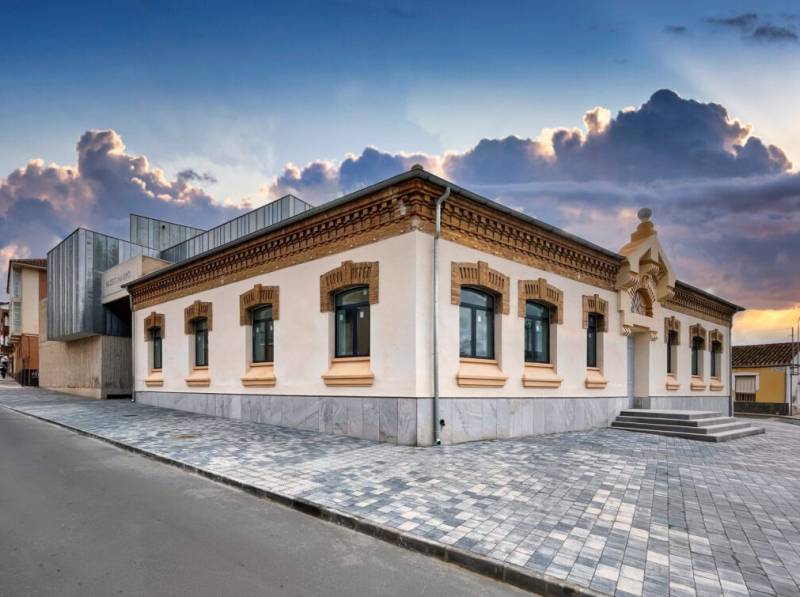
The main venue of the festival is the old market building, a fine example of the extravagant industrial architecture of the late 19th century. The strong but elegant lines and steel structure call to mind the style of the Eiffel Tower (more references to Gustave Eiffel later!) and the building is full of character, a reminder of both past industrial power and the strength of the music it plays host to every August!
A modernist oasis of white
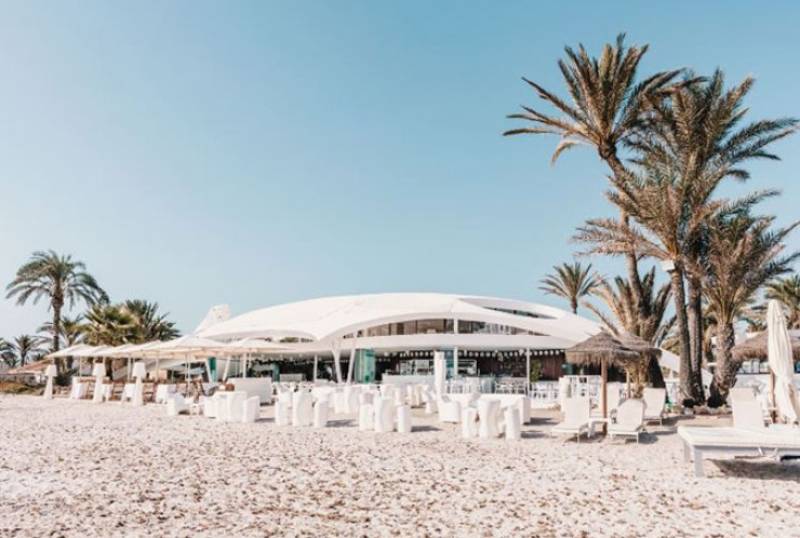 A little further north is Collados Beach, a modern oasis of white beauty at the northern end of La Manga del Mar Menor. This striking complex was designed by Fernando Garrido in the 1960s and it is hard to think of any other building in the Region of Murcia which can match the visual attractiveness of his pride and joy.
It might not be to the taste of those who appreciate classical art and architecture, but enjoy something to eat here and you’ll soon be convinced by the views, the minimalist lines and the beautiful surroundings in the La Veneziola area at the far north of La Manga!
The oldest roofed building in the Region of Murcia
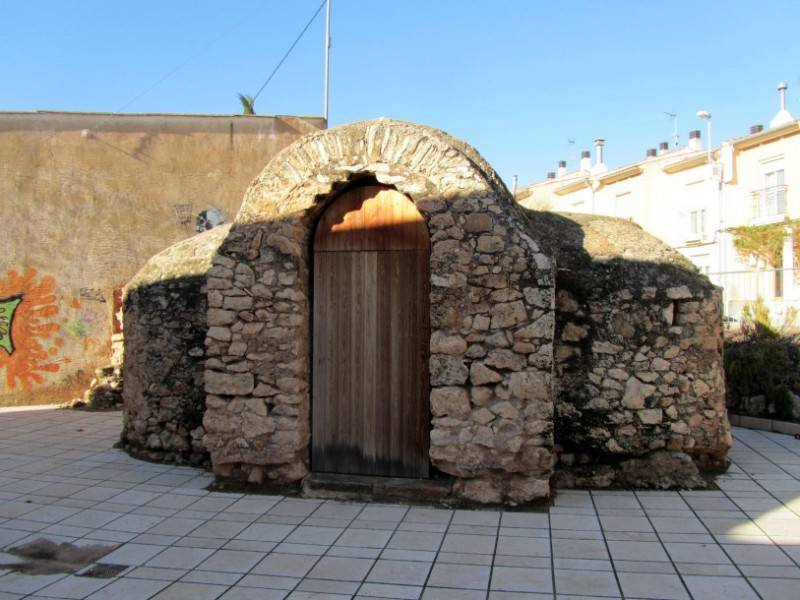 From the modern to the ancient now, as we travel to the north of Murcia and the town of Jumilla, on the higher ground in the area known as the Altiplano. It was here, about 1,700 years ago, that some of the Roman villa managers or soldiers built a small mausoleum in which to house the remains of family members, and although the building is small (about three metres by two) and only two metres high, the “Casón” is fascinating place to stand and attempt to imagine how life would have been in Jumilla for those whose remains were buried inside centuries before the arrival of the Moors in Spain!
The Eiffel “Tower” of Ulea
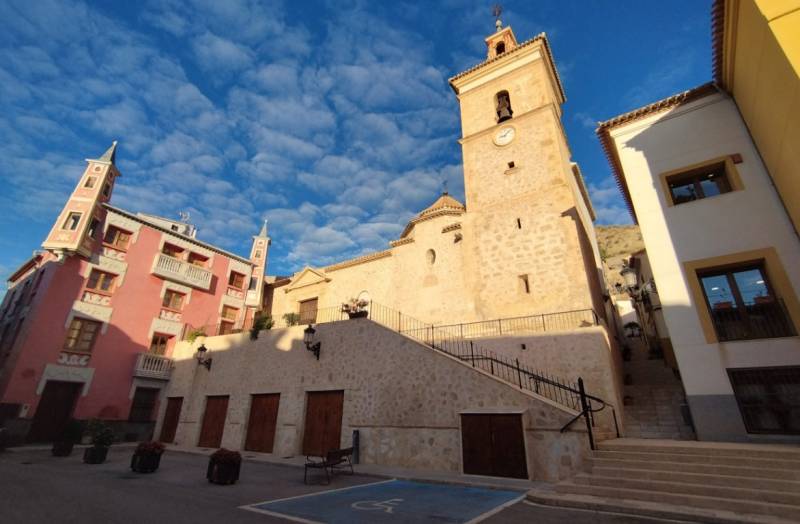 Continuing our journey to some of the outposts of the Region, we head now to the small country town of Ulea, about 25 minutes by car from the city of Murcia and close to the spa resort of Archena. Here we find the fascinating Casa del Cura, former home of the parish priest, which was designed by none other than the French engineer Gustave Eiffel – yes, THAT Gustave Eiffel! Right next door, as you might expect, is the church of San Bartolomé, and the juxtaposition of the two very different buildings makes a fascinating sight in this quiet little village where many aspects of life have hardly changed with the advent of the modern age.
Water as a source of architecture
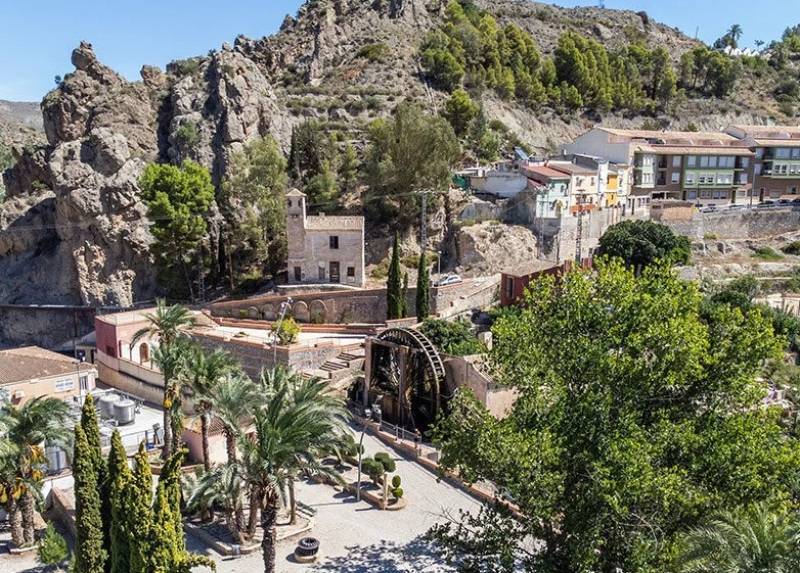 Staying in a decidedly rural setting, it’s not far north from Ulea to make the trip to Abrán – the most picturesque route is via Villanueva del Río Segura, Ojos, Ricote and Blanca, taking in the beautiful Ricote Valley.
Murcia is of course one of the driest regions in Europe, but this is a green and fertile land due to the presence of the course of the River Segura, and nowhere is the way in which water has been a prized asset throughout the history of the region better illustrated than in the water wheels of Abarán. These ingenious hydraulic structures were at the heart of life in the “huerta” of Ricote for centuries, and indeed in some places they still are – some are still in use today, including the largest working example in the world!
Military architectural madness or an artillery stronghold?
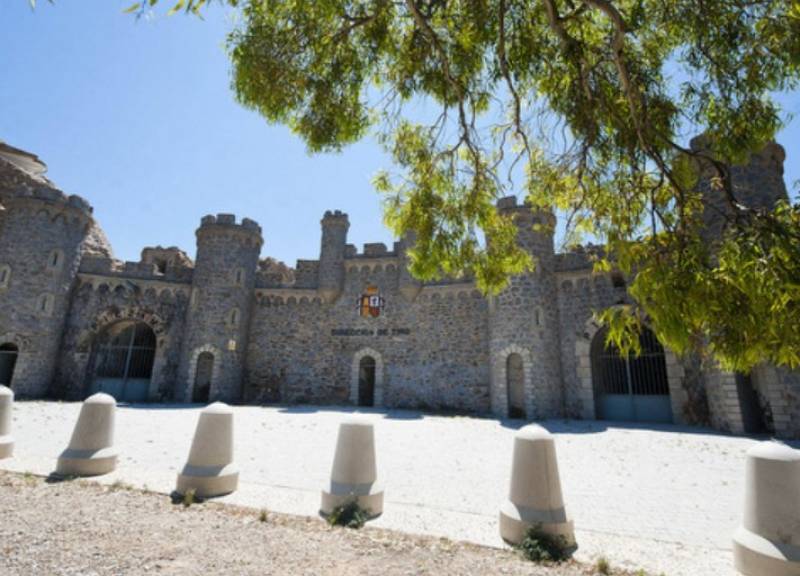 Hidden from view behind the headland of Cabo Tiñoso, on the rigged coastline between the villages of La Azohía and El Portús is the gun battery of Castillitos, which was an important defensive structure against the arrival of hostile warships heading for the crucial naval port of Cartagena during the Civil War Spanish (1936-39).
A gun battery? How attractive can that be? Well, according to those who designed it, very attractive indeed, it seems, as the whole complex, rather than being purely a maze of reinforced concrete blocks and tunnels along which massive shells were transported on small railway tracks to the huge Sheffield-made Vickers guns mounted above, is decorated with elaborate battlements and turrets as if this were a medieval fort rather than a place of modern warfare!
Exactly why this should be the case is not completely clear. Maybe the intention was for it to appear an old ruin from the enemy planes raiding the skies? If so, the presence of the enormous guns was a bit of a giveaway, you would think – decide for yourself when you get there and enjoy the irresistible photo opportunity!
Or maybe the military personnel stationed here were just bored, being posted in a location so isolated from the nearest village and decided to “do the place up a bit”! The road up to Castillitos tends to reinforce this theory!
Sources: ITREM, archive, turismodemurcia.es, Ayto La Unión
Sign up for the Spanish News Today Editors Roundup Weekly Bulletin and get an email with all the week’s news straight to your inbox
Special offer: Subscribe now for 25% off (36.95 euros for 48 Bulletins)
Read some of our recent bulletins:
Discount Special Offer subscription:
36.95€ for 48 Editor’s Weekly News Roundup bulletins!
Please CLICK THE BUTTON to subscribe.
(List price 3 months 12 Bulletins)