The trick for homeowners in Spain to pay less income tax in 2026
ARCHIVED ARTICLE -
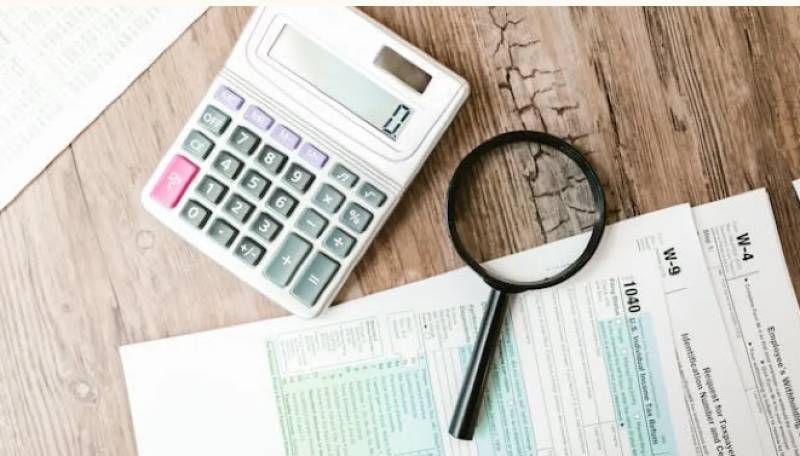
What property owners in Spain need to know now to reduce their next Declaración de la Renta
It might feel a little bit early but just like every year, the dreaded
2026 income tax return season will be upon us before we know it. Everyone wants to hand over as little as humanly possible to the tax man in the
Declaración de la Renta, and there’s a new scheme that could save you a bundle.
First off though, those all-important dates you’ll probably want to put in your calendar now.
According to the Tax Agency, starting April 8, 2026, returns can be filed online, the quickest and most recommended method for most people.
For those who prefer other methods, the agency has enabled the option of filing by phone starting May 6 and in-person assistance at offices will be available from June 1. The deadline to file your tax return without incurring surcharges is June 30, allowing taxpayers time to plan and avoid last-minute problems.
Once the key dates are marked in your calendar, the next step is knowing where you can legally cut your tax bill. And for homeowners in Spain, one of the most generous opportunities heading into 2026 is linked to energy efficiency improvements.
This is not a loophole or a short-term perk but rather a government-backed incentive designed to encourage greener homes, and it could mean thousands of euros back in your pocket if you’ve carried out qualifying work.
The scheme has been extended until December 31, 2026, following the approval of Royal Decree-Law 16/2025, published in the Official State Gazette (BOE).
Under the rules, homeowners can deduct a percentage of the cost of renovations that reduce the need for heating and cooling. This applies to your main residence, and in some cases to properties you own that are intended for rental.
The key point is that the work must deliver a real, measurable improvement in energy performance. Cosmetic upgrades don’t count.
To qualify, the improvement must be officially certified by a qualified professional, who will assess the property’s energy performance before and after the renovation work.
The Tax Agency requires proof of at least a 7% improvement in energy efficiency. Without this documentation, the deduction will not be accepted, no matter how much you spent or how extensive the work was.
If you’re planning renovations with tax savings in mind, this certificate is non-negotiable.
The percentage you can deduct depends on the type of property and the nature of the renovation. For residential buildings, homeowners can deduct up to 60% of the total renovation cost. For single-family homes, the deduction ranges between 20% and 40%.
Rental properties can also qualify, as long as the work leads to a proven improvement in energy efficiency and meets all certification requirements.
While there are limits and conditions, this remains one of the most generous deductions available to homeowners in the 2025–2026 tax campaign.
Don’t stop there
Many people miss out simply because they assume nothing has changed. With the right preparation, and a bit of paperwork in order, 2026 could be the year you hand over less than expected to the taxman.
Image: Pexels
article_detail

|














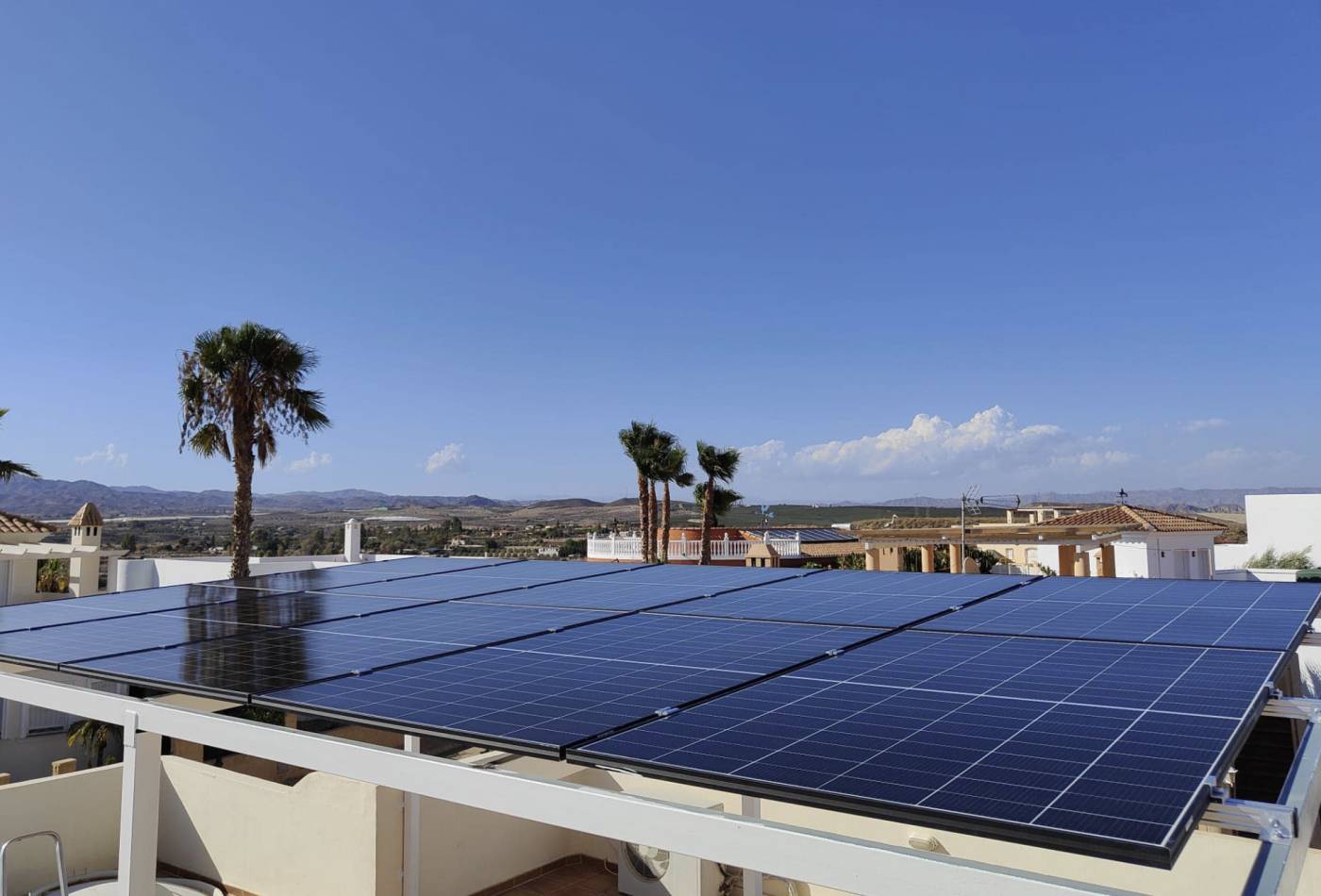
 Solar energy is a great resource for energy in Spain. The panels make the most of the many hours of sunshine in the country and are a great addtion to any household looking to go green and save on their energy bills.