To be listed on the CAMPOSOL TODAY MAP please call +34 968 018 268.
article_detail
Date Published: 10/04/2026
Tap water nitrates exceed safe levels in over half of Spain's towns
ARCHIVED ARTICLE -
Greenpeace map reveals widespread exceedances, though Murcia holds up relatively well
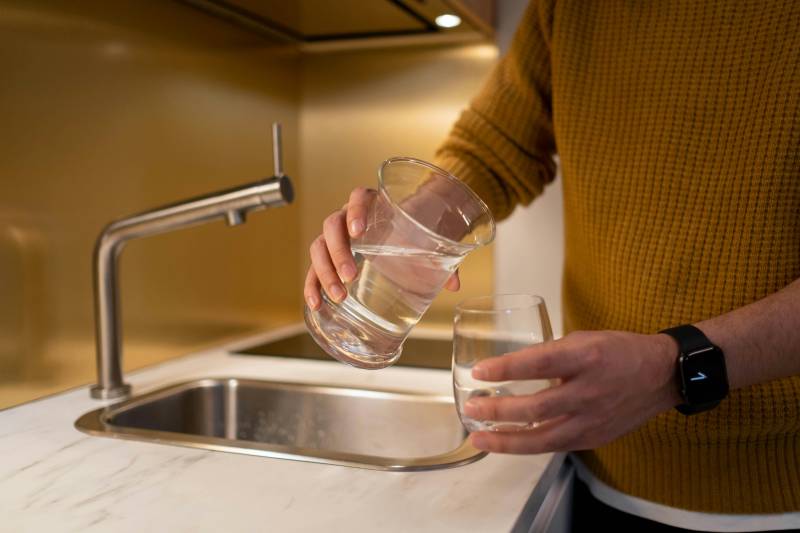
Tap water across Spain carries a hidden issue that many people might not notice, even though it looks and smells completely normal. Nitrates are present in supplies all over the country, and a new interactive map from Greenpeace shows just how widespread the problem is.
Based on official 2024 data, it reveals that more than half of Spain’s municipalities, 51.17%, have levels above what scientists consider the safest threshold of around 6 milligrams per litre.
In 332 towns and cities, the legal limit of 50 milligrams per litre was exceeded at some point last year. That does not make the water undrinkable by law, but it flags areas where caution is needed. The map helps people check their own municipality, and it paints a picture that has environmental groups calling for more action.
Murcia fares better, with caveats. None of the Region of Murcia's municipalities went over the legal limit in 2024, which is good news compared to other parts of Spain. However, nine towns were flagged for levels above the recommended scientific threshold, with Caravaca de la Cruz standing out most at the red category (30-50 mg/l at times), and Lorca and Totana also being marked at yellow level.
Nitrates come mostly from intensive agriculture and livestock farming, which have pushed levels up sharply in recent decades. Greenpeace blames industrial practices and heavy fertiliser use, warning that “water pollution from nitrates is invisible.” The real worry is what happens inside the body, where nitrates can turn into nitrites and form potentially harmful compounds linked to higher risks of colorectal and prostate cancer over time, according to some studies.
Spain’s legal limit of 50 mg/l is there to stop immediate problems like blue baby syndrome in infants, where blood struggles to carry oxygen properly. Scientists argue for much lower levels based on longer-term health risks, but that would mean big changes and costs for water supplies.
For now, the map is a reminder to stay aware. In places like Murcia, things look manageable, but the national trend shows plenty of room for improvement through better monitoring and sustainable farming. It is a problem we can measure, and tackling it starts with knowing where we stand.

















 Tap water across Spain carries a hidden issue that many people might not notice, even though it looks and smells completely normal. Nitrates are present in supplies all over the country, and a new interactive map from Greenpeace shows just how widespread the problem is.