









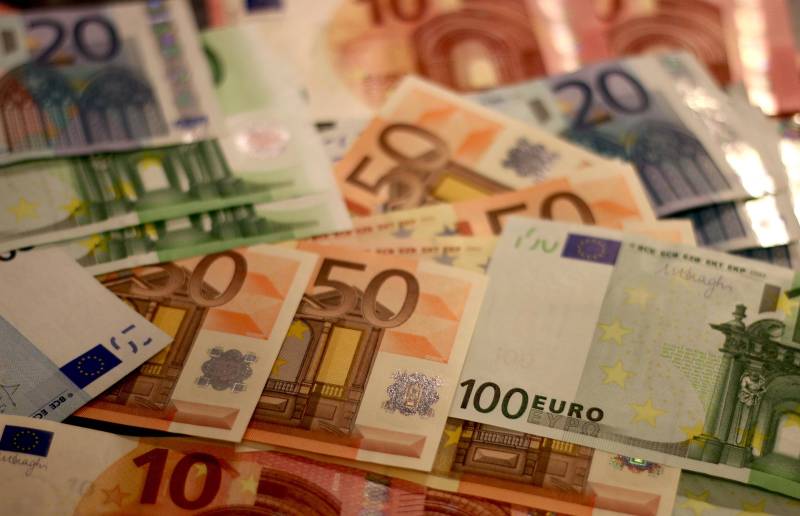





Spain’s wages are continuing to rise on paper, helped in part by repeated increases to the minimum wage in recent years. But new figures suggest many workers still feel financially squeezed, with low salaries remaining common across large parts of the country.
According to the latest Annual Wage Structure Survey from Spain’s National Statistics Institute (INE), the most common gross salary in 2024 was €16,520 per year. That works out at roughly €1,180 per month when paid in 14 instalments.
The figures underline a problem that many households already recognise. While salaries are climbing overall, everyday living costs continue to put pressure on workers, particularly in lower-paid sectors.
Spain’s minimum wage has risen sharply in recent years, climbing from €736 per month in 2018 to €1,221 gross per month in 2026 ([Feb 16 minimum wage article]). However, despite those increases, almost three in ten workers still earn between €16,000 and €23,000 gross annually.
The report also found that 3.8% of salaried workers earned exactly €16,520 last year, just €644 more than the minimum wage for that period.
Hospitality continues to stand out as one of the country’s lowest-paid industries, with average annual salaries of €17,653. Artistic, recreational and entertainment activities were also among the lowest-paying sectors.
At the other end of the scale, workers in electricity, gas and energy supply earned an average of €57,931 annually, almost double the national average salary of €29,540.
One of the most striking findings is that the gender pay gap widened in 2024 for the first time in 11 years.
Women earned an average annual salary of €26,904, compared with €32,057 for men, leaving a gap of €5,153 or 16.1%.
Regional differences also remain stark. The Basque Country recorded the highest average annual salary at €35,170, while Extremadura had the lowest at €24,979, creating a gap of more than €10,000 between regions.
Madrid, Navarre and Catalonia were the only other autonomous communities with average salaries above €30,000.
Late last year reporting also highlighted that average wages in Spain remain around €6,000 below the wider European average. New data from Eurostat now suggests the issue goes even deeper, showing that real wages in Spain have risen by only 6% over the last 30 years, compared with 27% in France and 26% in Portugal.
Economist Marc Vidal argued that Spain’s long-term productivity problem is at the root of the issue.
“The gross value added per hour worked in Spain today is at the same level the Eurozone was at in 1998,” he said.
He also pointed to growing generational imbalances, claiming that workers aged between 25 and 30 now earn around 20% less than their parents did at the same age.
Meanwhile, questions have continued over why many salaries outside the minimum wage bracket have failed to keep pace with inflation and living costs.
Despite strong headline economic growth, the latest figures suggest many workers in Spain are still waiting to feel the benefits in their own pay packets.
Image: moerschy/Pixabay
Sign up for the Spanish News Today Editors Roundup Weekly Bulletin and get an email with all the week’s news straight to your inbox
Special offer: Subscribe now for 25% off (36.95 euros for 48 Bulletins)
Read some of our recent bulletins:
Discount Special Offer subscription:
36.95€ for 48 Editor’s Weekly News Roundup bulletins!
Please CLICK THE BUTTON to subscribe.
(List price 3 months 12 Bulletins)