To be listed on the CAMPOSOL TODAY MAP please call +34 968 018 268.
article_detail
Date Published: 21/09/2026
Autumn officially arrives in Spain this week as days start getting shorter
The autumn equinox arrives on Wednesday with almost equal hours of daylight and darkness
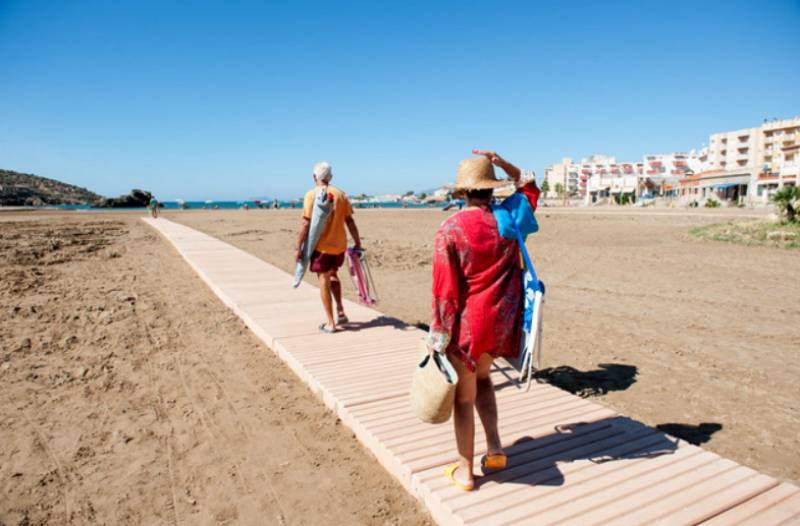
Summer is officially coming to an end in Spain this week, although you might not notice much difference in the weather just yet.
The autumn equinox takes place on Wednesday September 23, marking the astronomical start of autumn in the Northern Hemisphere and the moment when the days begin their gradual shift towards longer nights.
For people living in mainland Spain and the Balearic Islands, the equinox will occur at 2.05am on Wednesday, while in the Canary Islands it will happen at 1.05am.
The timing comes from the position of the Earth in relation to the Sun rather than from a change in the weather. In fact, Spain can, and will, have plenty of summer-like conditions well into October.
An equinox occurs when the Sun is directly above the Earth's equator. At this point, the Northern and Southern Hemispheres receive roughly equal amounts of sunlight, giving us approximately 12 hours of daylight and 12 hours of darkness.
The word 'equinox' comes from the Latin aequinoctium, meaning 'equal night'. However, day and night aren't actually exactly 12 hours each everywhere on Earth because of factors including the way sunrise and sunset are defined and the Earth's atmosphere.
From Wednesday onwards, the balance begins to shift. Across Spain, the Sun will gradually rise later and set earlier as the amount of daylight decreases day by day.
The changing season has been recognised and celebrated by cultures around the world for centuries, often linked to harvests and the transition towards the colder, darker months.
One of the most famous examples is at Chichén Itzá in Mexico, where sunlight falling across the Pyramid of Kukulkan around the equinox creates a striking shadow effect resembling a serpent making its way down the staircase.
Here in Spain, the change is rather less dramatic, but Wednesday still marks an important point in the astronomical calendar.
And while astronomical autumn officially begins this week, anyone in Spain hoping for cooler weather may have to wait a little longer. September can remain hot across much of the country, with warm temperatures often continuing well beyond the equinox.
The next major seasonal milestone will be the winter solstice on December 21, when the Northern Hemisphere reaches its shortest day and longest night of the year.